Loading
WASH · eco-sanitationActive
Waterless bio-toilets installed and cared for with local women's cooperatives, bringing sanitation where sewers never will.
01The challenge
In rural and coastal West Bengal, many households lack a safe, private toilet. Conventional flush toilets need water and sewer connections that are expensive, unreliable, or impossible on flood-prone land.
Open defecation and leaking pits contaminate the same ponds that families use for bathing, washing and fish.
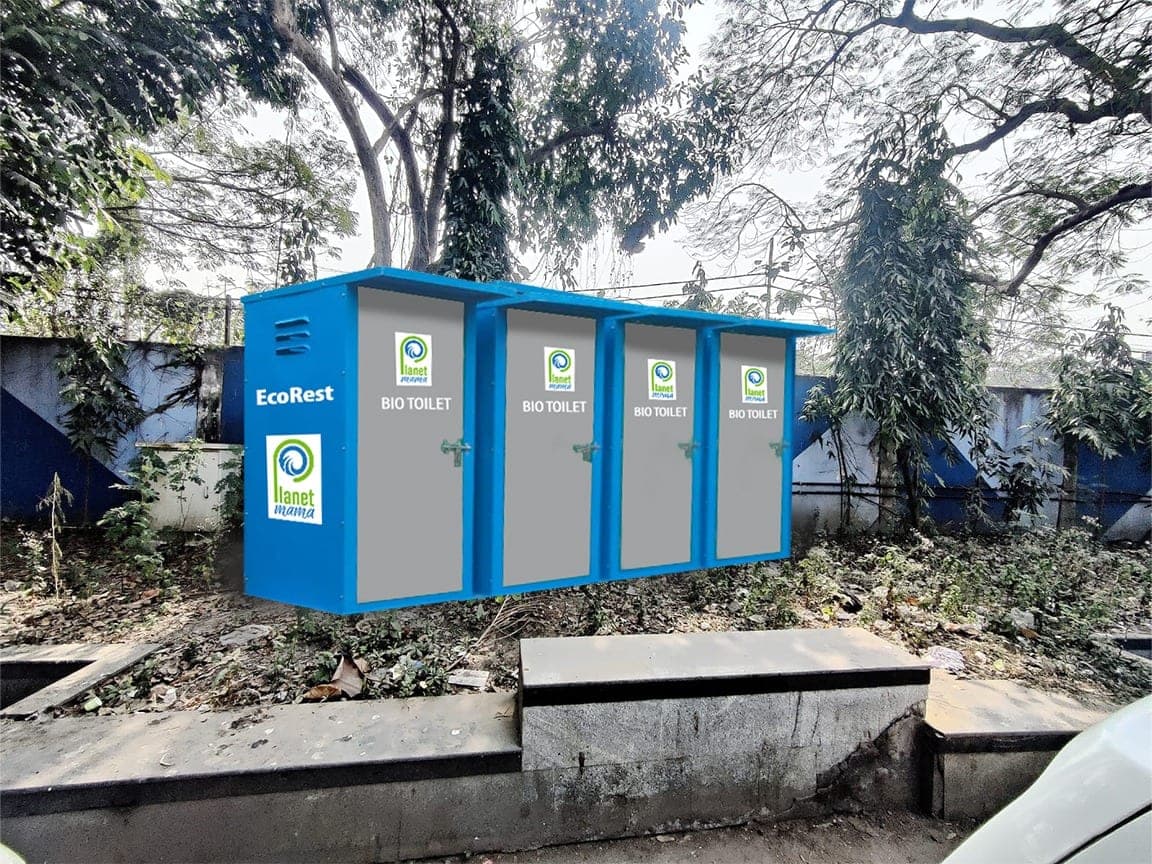
Eco bio-toilets use bio-digestion to turn waste into compost without water, chemicals or external power, so they keep working in drought, flood and power cuts.
Installation and maintenance run through local women's cooperatives, which turns sanitation into local skills and income.
Treated compost returns nutrients to soil instead of waste to ponds, protecting the wetlands downstream.
03Community
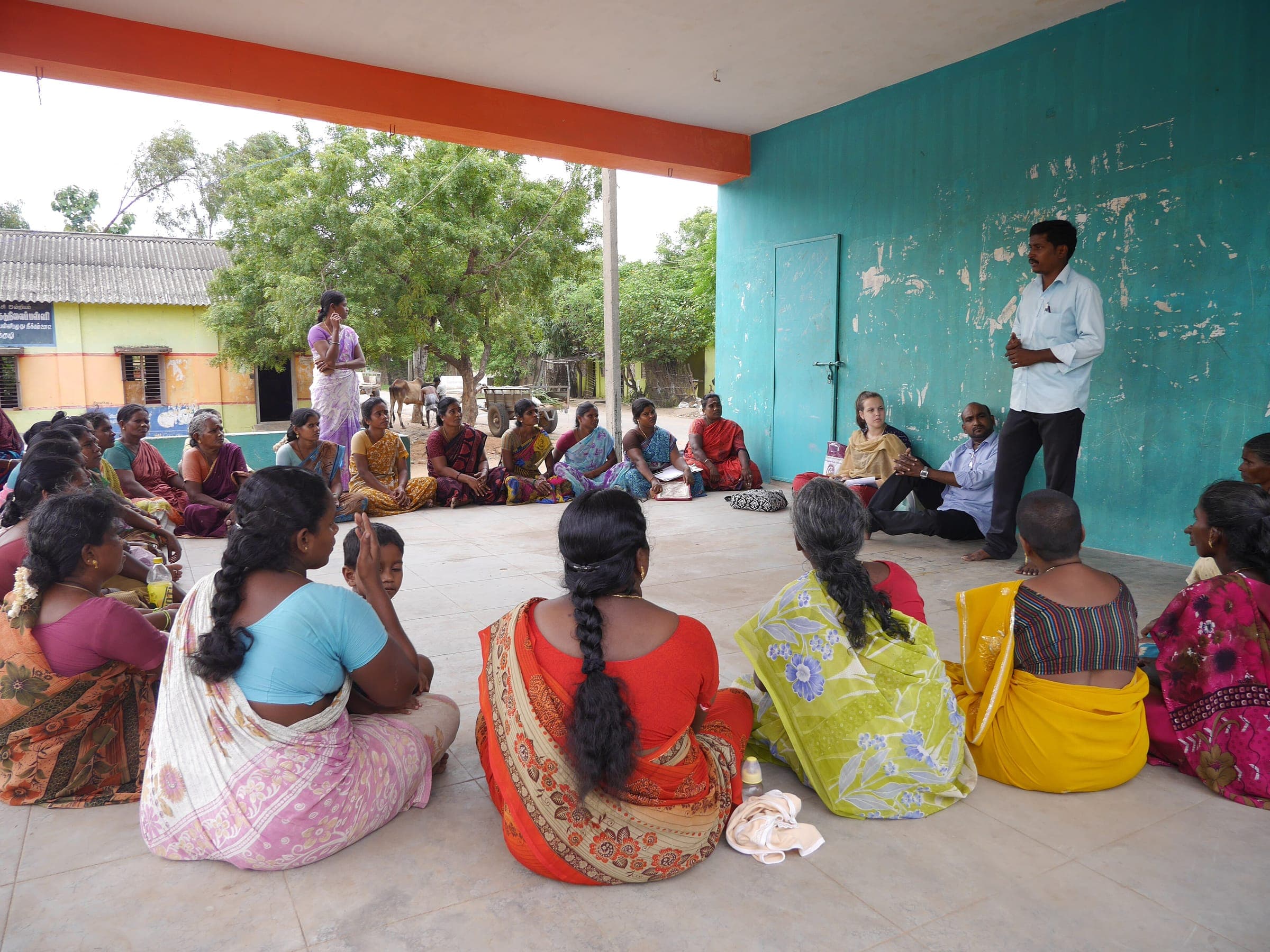
Delivered with women's cooperatives, who shape where toilets go, how they are maintained and how the model spreads.
“I no longer have to walk miles for a safe place. This toilet is my pride.”
04Impact
Figures are published once they have a source. Each carries its evidence status. How we measure.
Eco-toilets installed: figure pending verification
Households with safe sanitation: figure pending verification
Women's cooperatives involved: figure pending verification
Units in use after 12 months: figure pending verification
05Field gallery
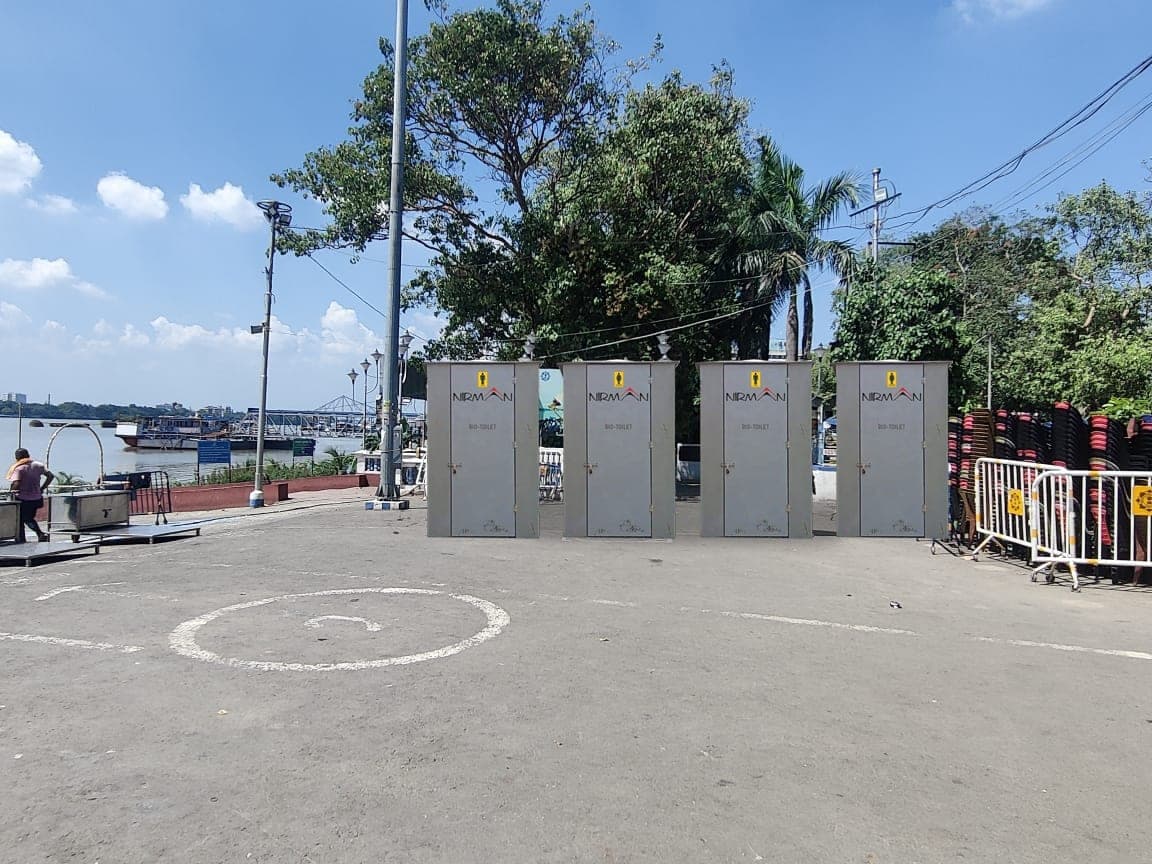
Four bio-toilet units installed at a public riverside site
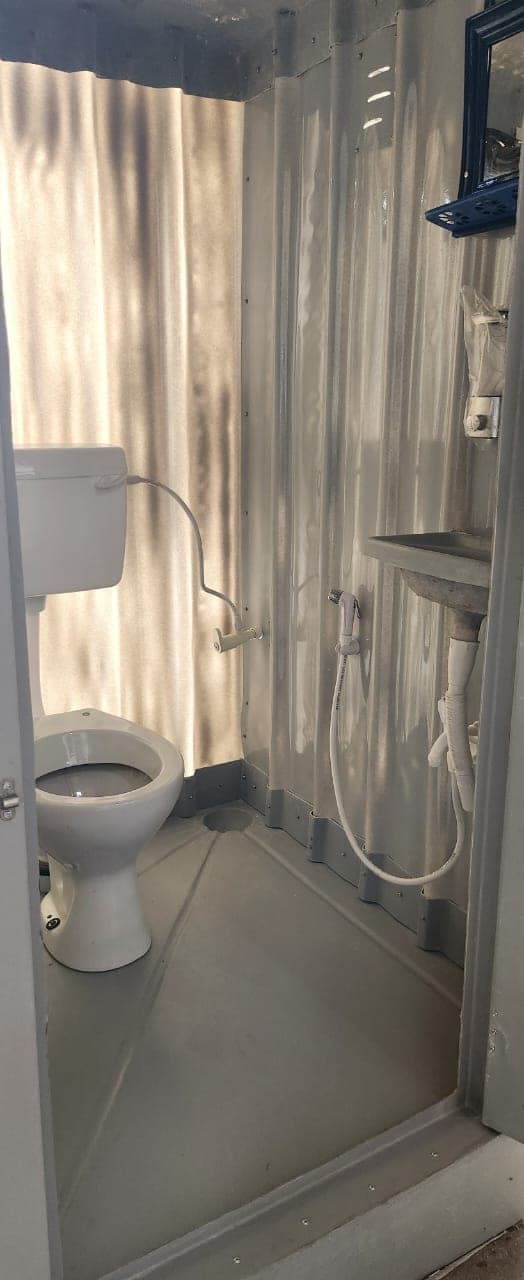
Inside a finished bio-toilet unit: a seat, handwash tap and grab rail
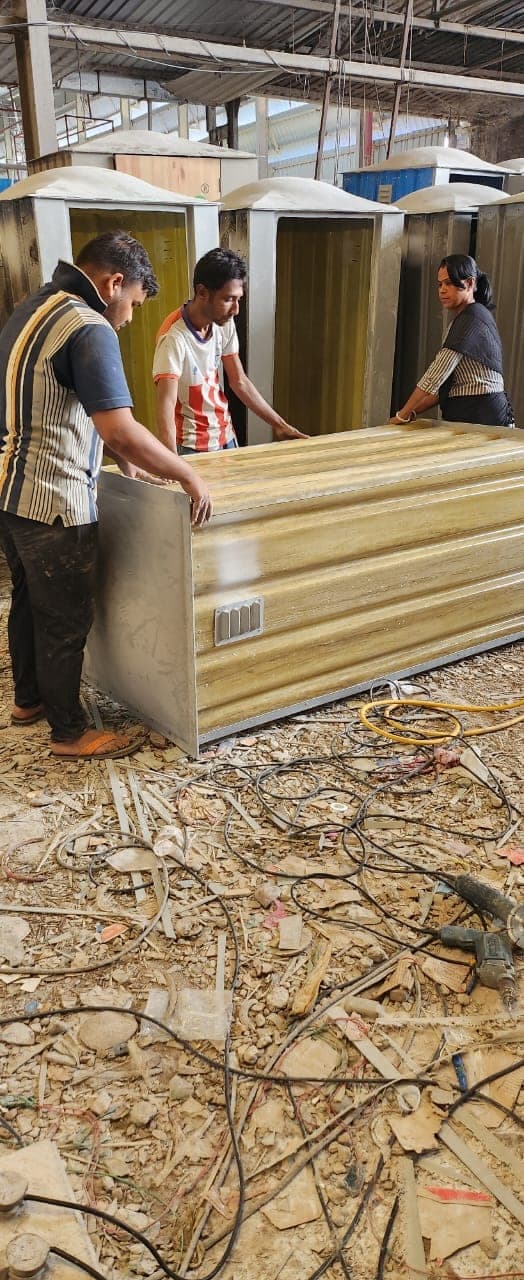
Workers assembling bio-toilet panels at the fabrication workshop
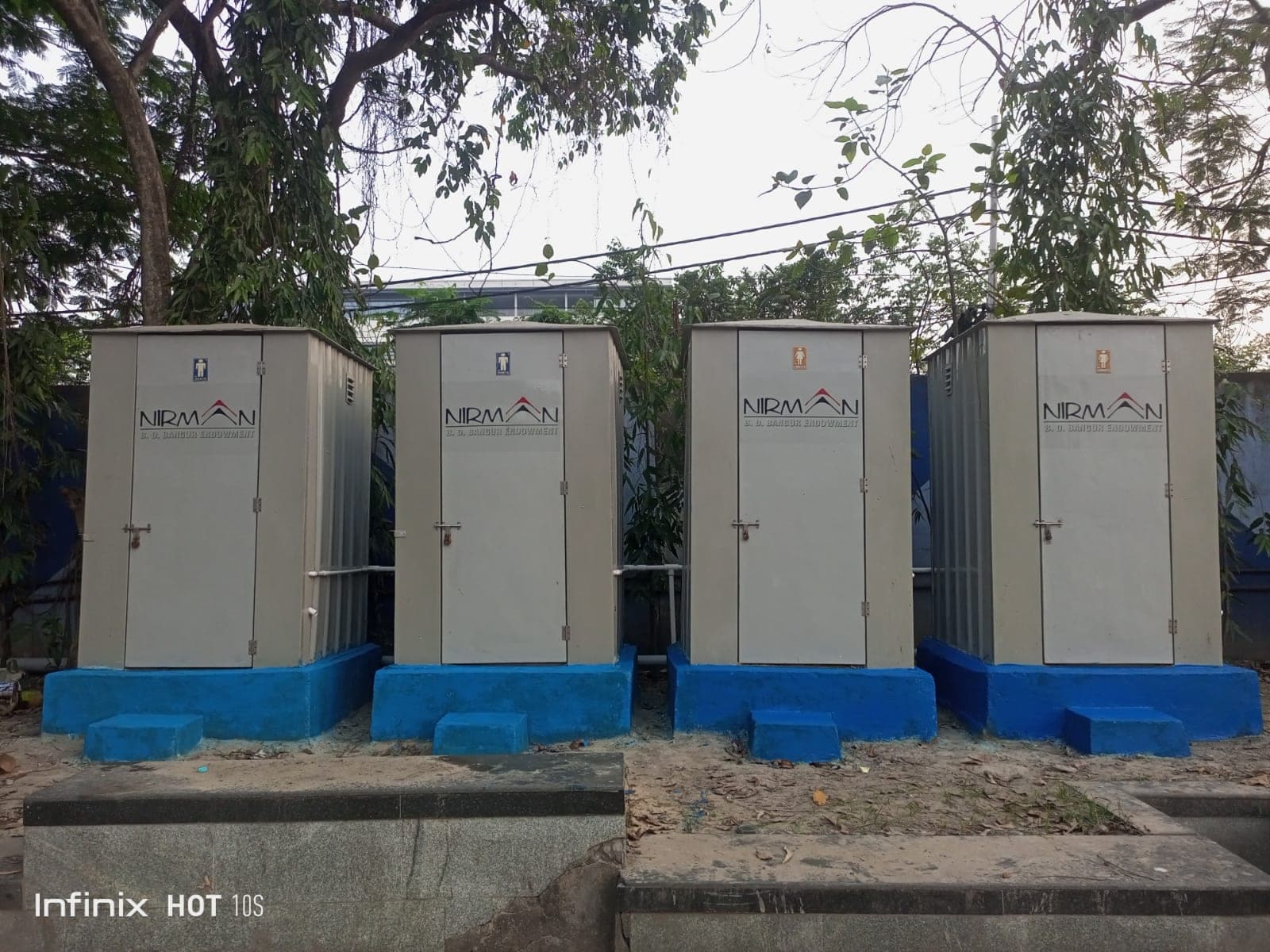
Bio-toilet units on their bases, ready for use
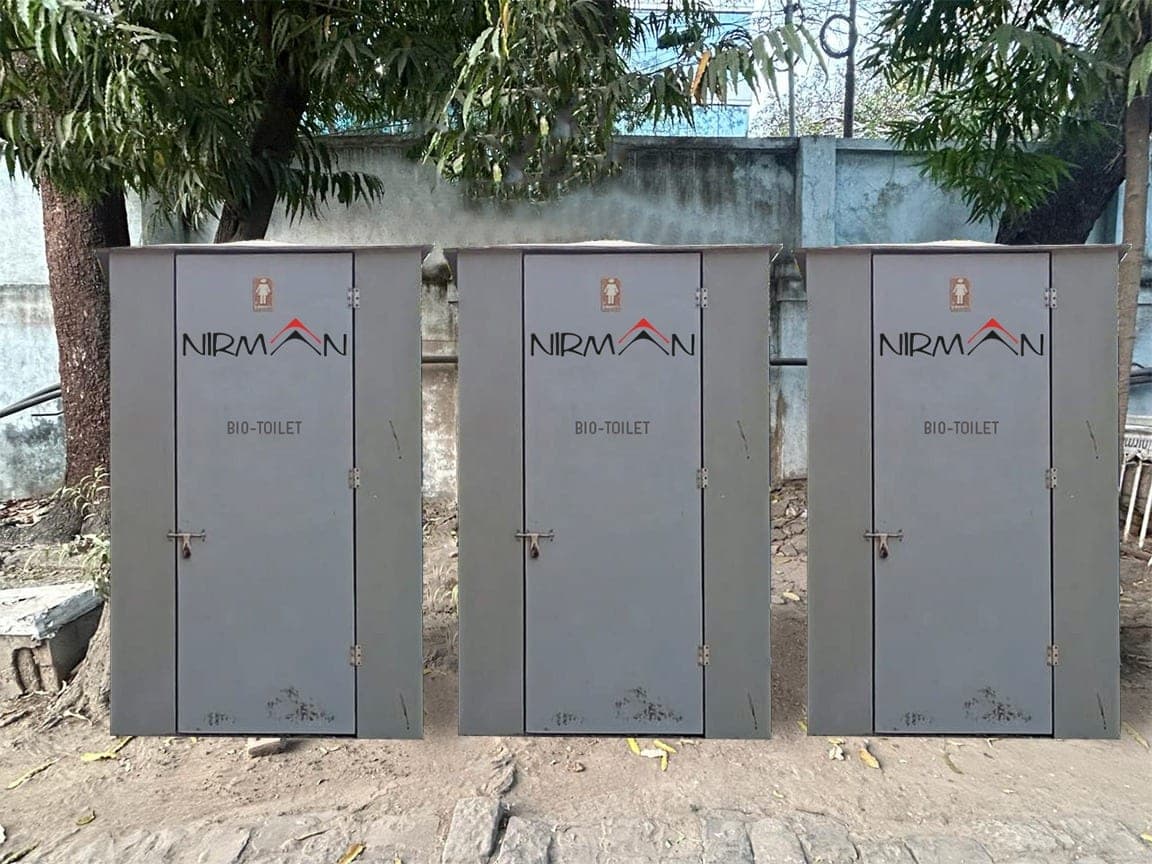
Three finished bio-toilet units side by side
Field photography from Planet Mama projects.
Related stories
Fund it, partner on it, or help us measure it better.