Field Stories
"This toilet is my pride"
In rural West Bengal, a waterless toilet built with a women's cooperative is about more than sanitation.
Planet Mama field team4 min read
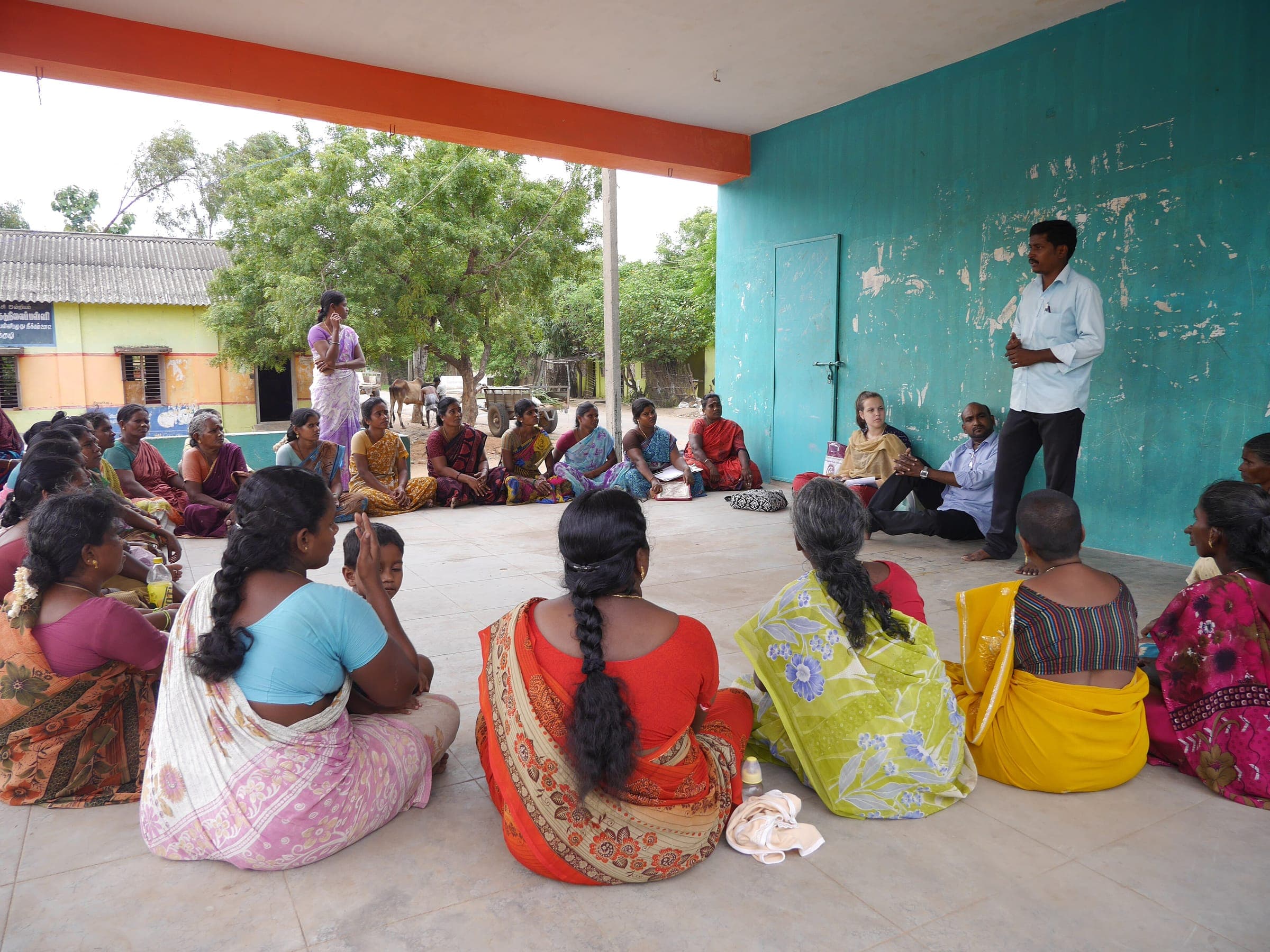 Photo: Pondicherry17 · CC BY-SA 4.0 · Wikimedia Commons
“I no longer have to walk miles for a safe place. This toilet is my pride.”
For women without a toilet at home, the day is shaped by a question others never think about: when and where is it safe to go? The answer often means waiting for darkness and walking long distances, with real risks to health and safety.
Why waterless
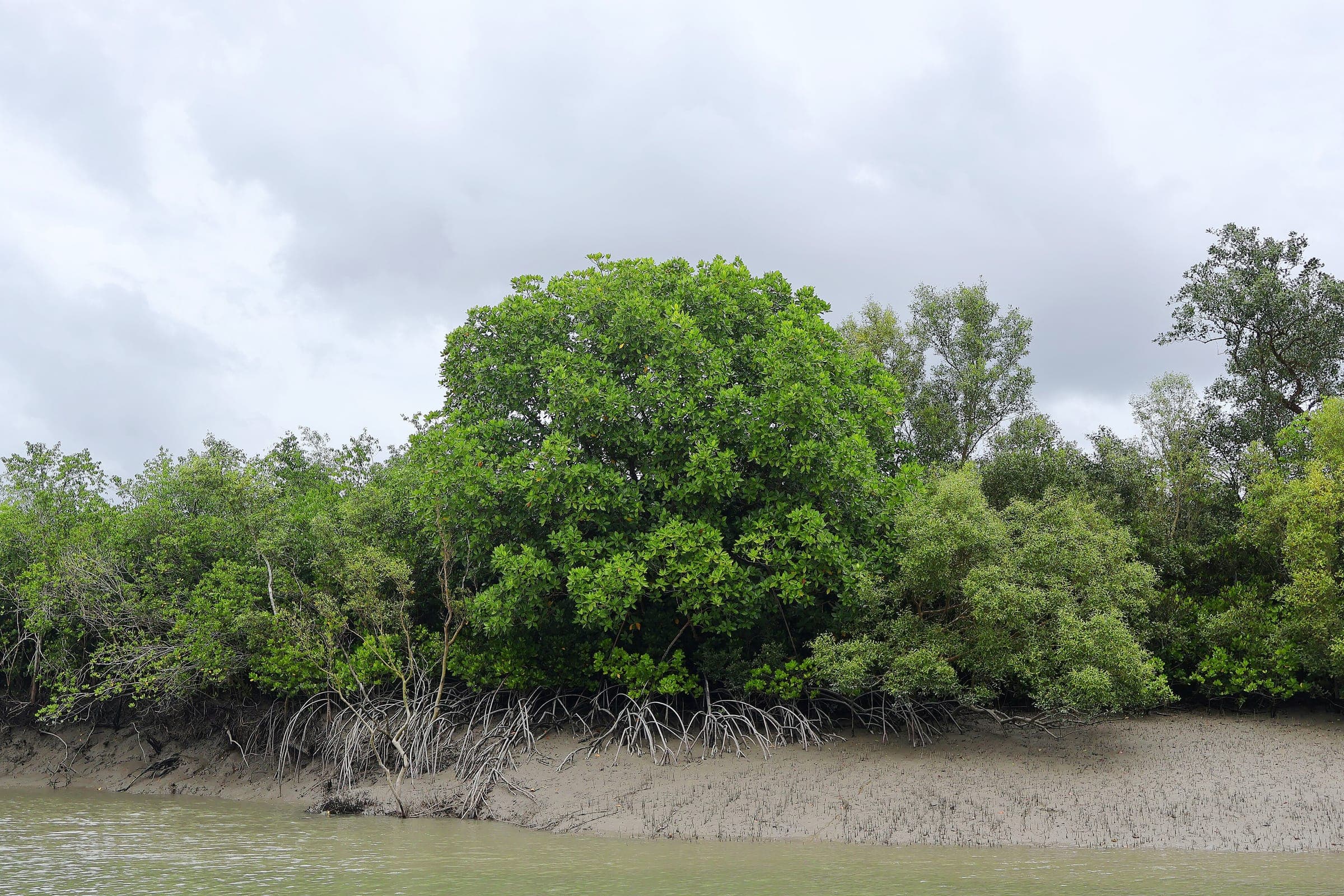
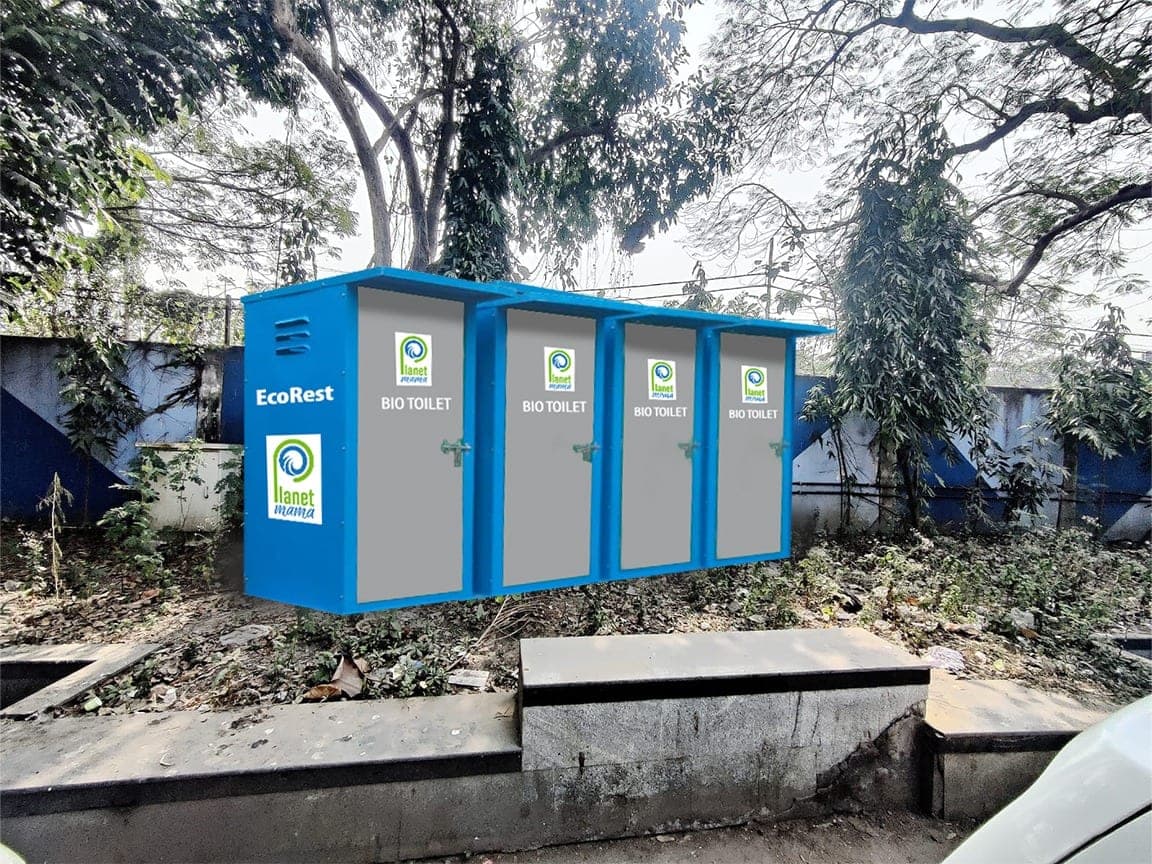
In flood-prone, low-lying villages, conventional toilets fail. There is no sewer, water is scarce or salty, and pits leak into the ponds families use every day. Planet Mama's eco bio-toilets use bio-digestion to turn waste into compost, with no water, chemicals or external power.
Why cooperatives
The toilets are installed in partnership with local women's cooperatives. That decision matters. The women who use them decide where they go and how they are maintained, and they earn from the work. A sanitation unit becomes a local skill and a local enterprise rather than a donated object.
Kamala's words are the measure we care about most: not only that a toilet exists, but that it is used, trusted and owned.
Rural and coastal West Bengal · India
Waterless bio-toilets installed and cared for with local women's cooperatives, bringing sanitation where sewers never will.
Eco-toilets installedPending verification
Explore