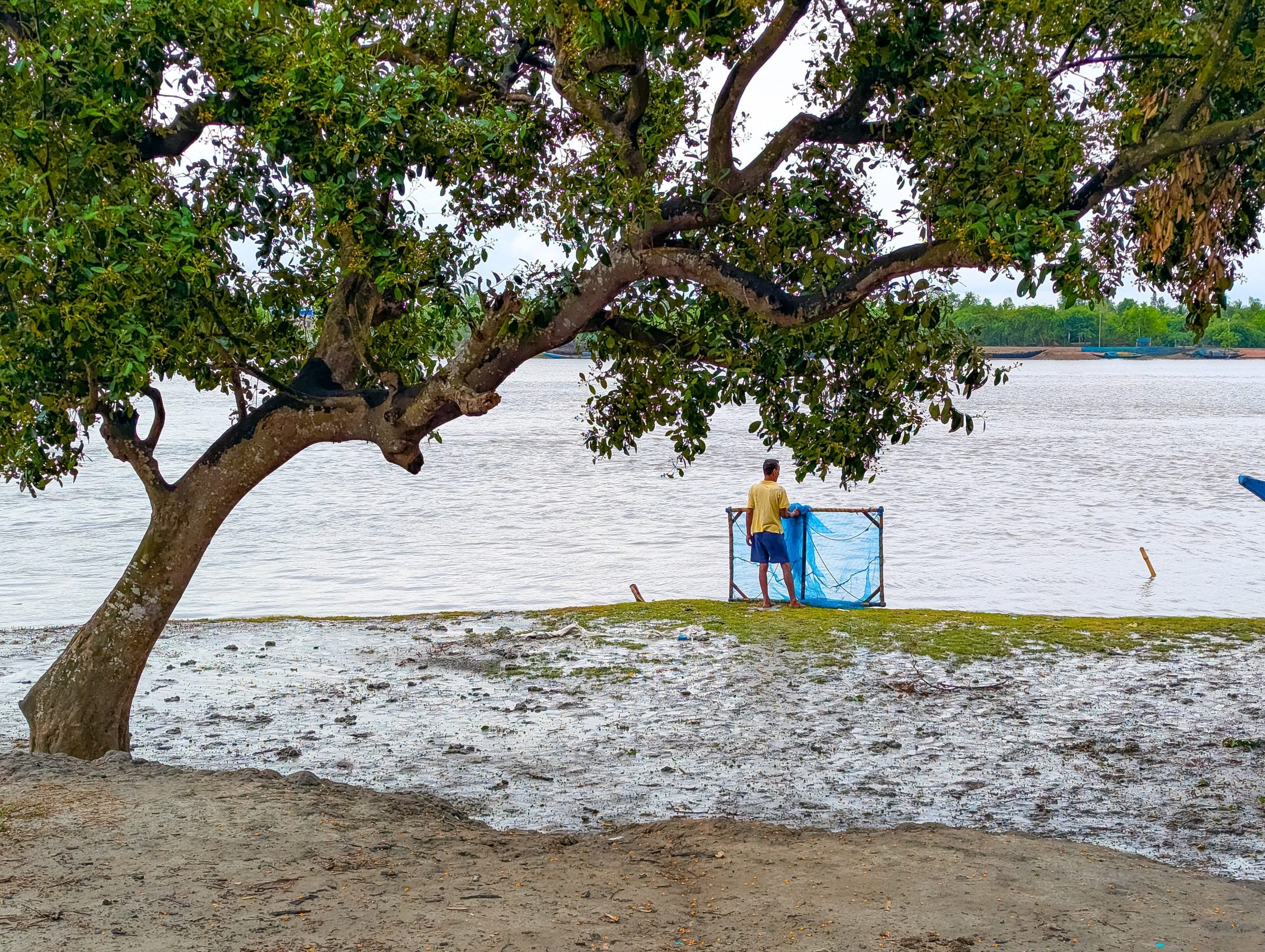
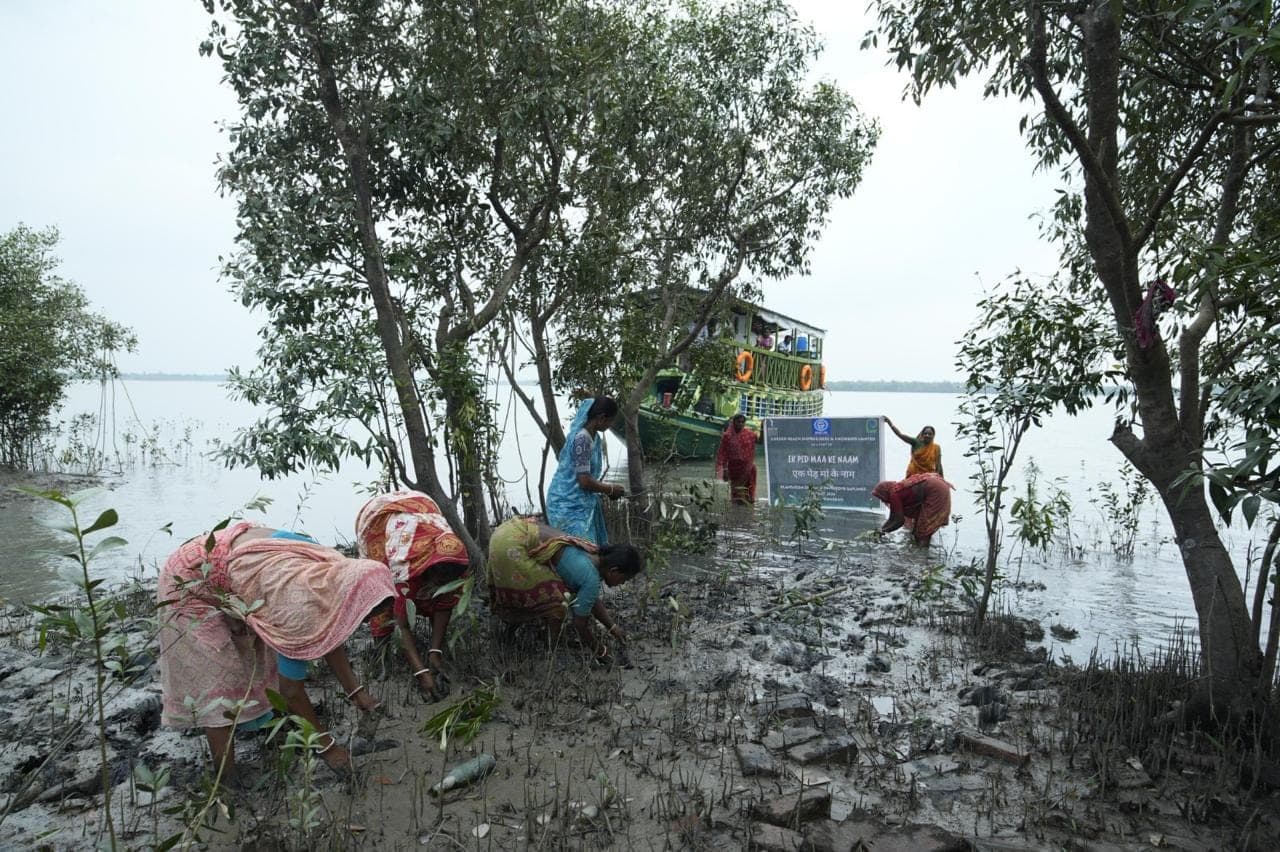
South 24 Parganas, West Bengal · India
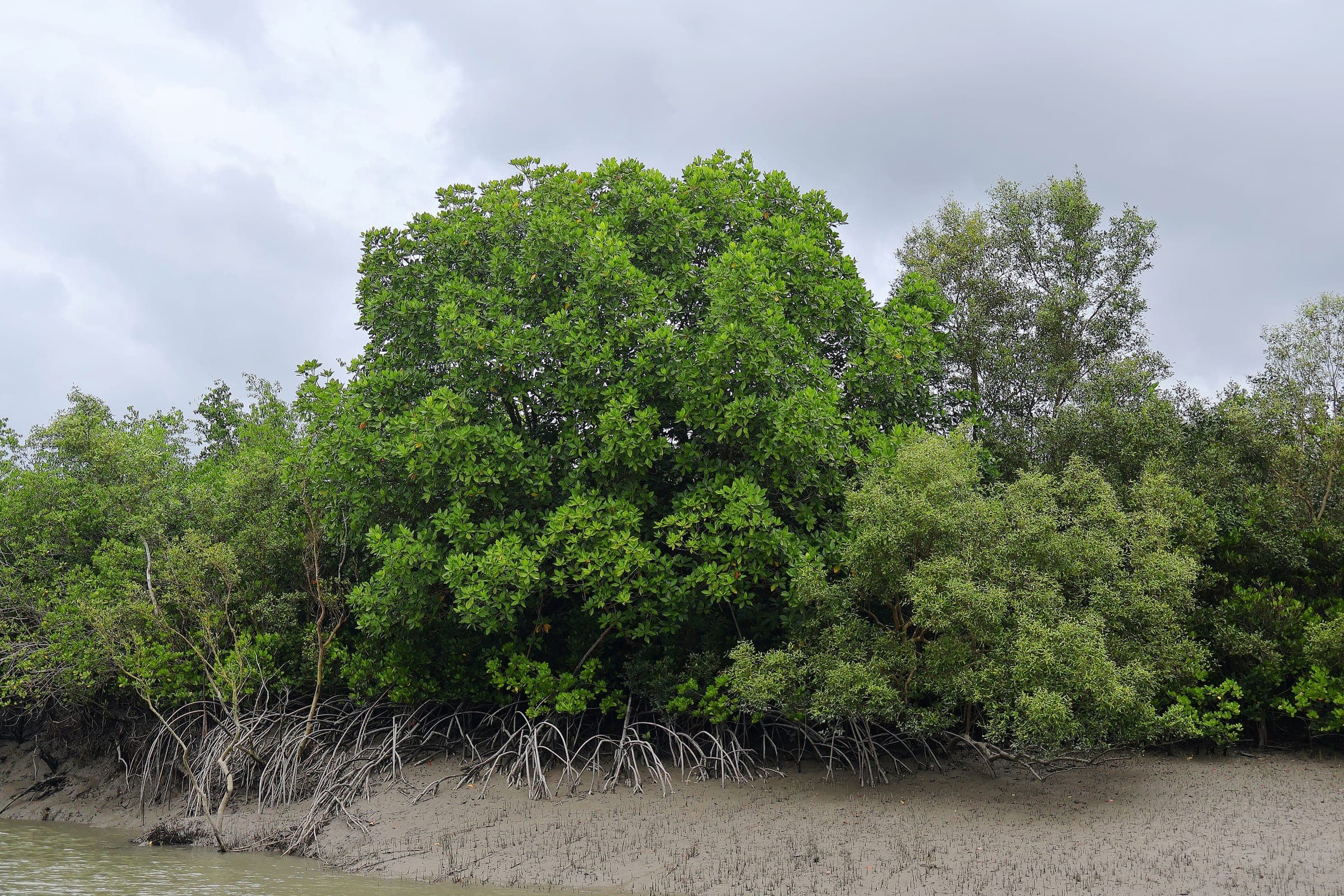
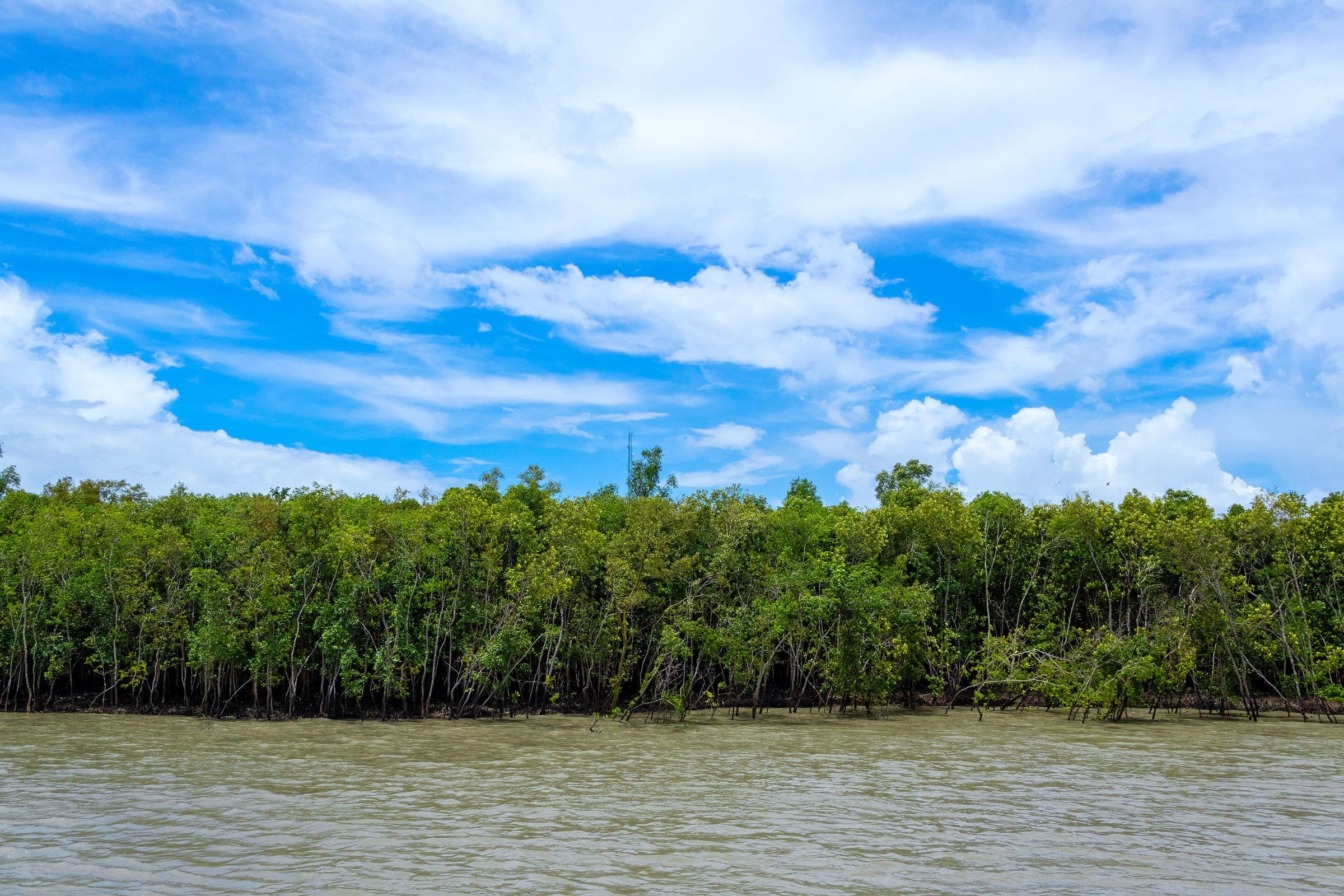
Women-led mangrove nurseries and plantation that rebuild the living edge between the Sundarbans villages and the tide.
Saplings planted at this sitePending verification
Explore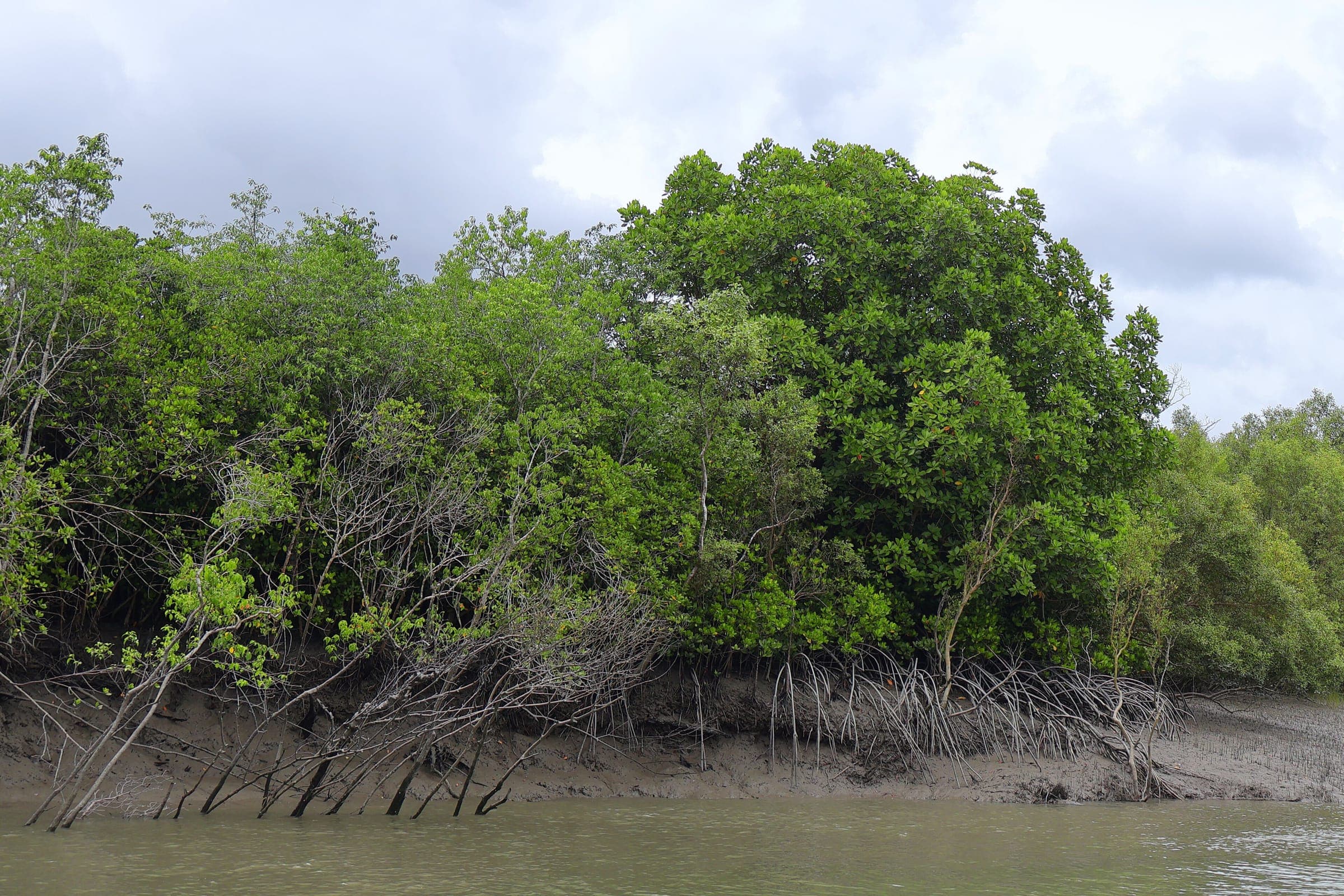
21.95° N · 88.72° E
Sundarbans, West Bengal
Water · Nature · Community · Climate
Planet Mama works with communities to restore water systems, regenerate ecosystems and build a more climate-resilient future.
WASH · Mangroves · Groundwater · Wetlands · Carbon
01The big idea
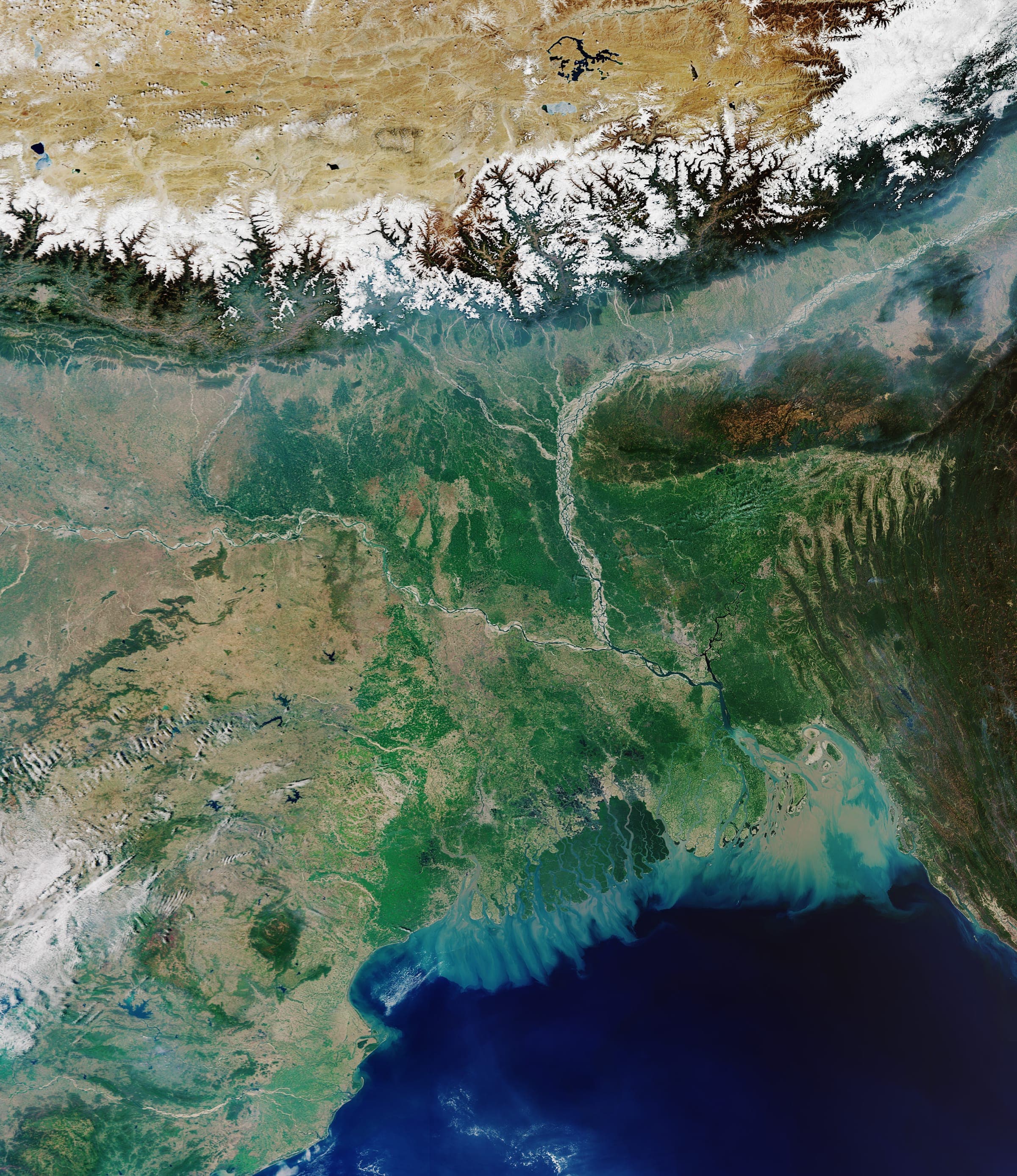
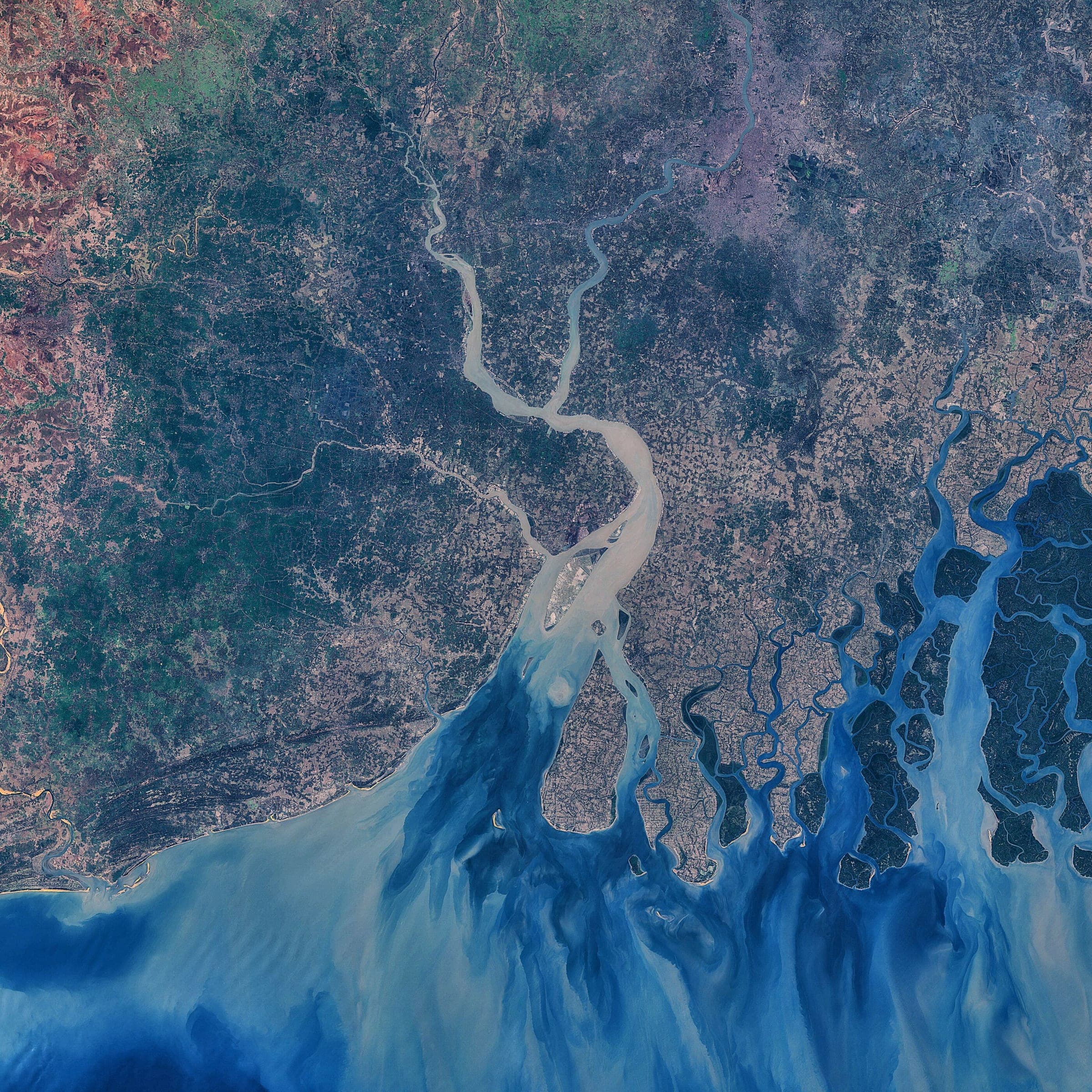 Photo: Antti Lipponen · CC BY 2.0 · Wikimedia Commons
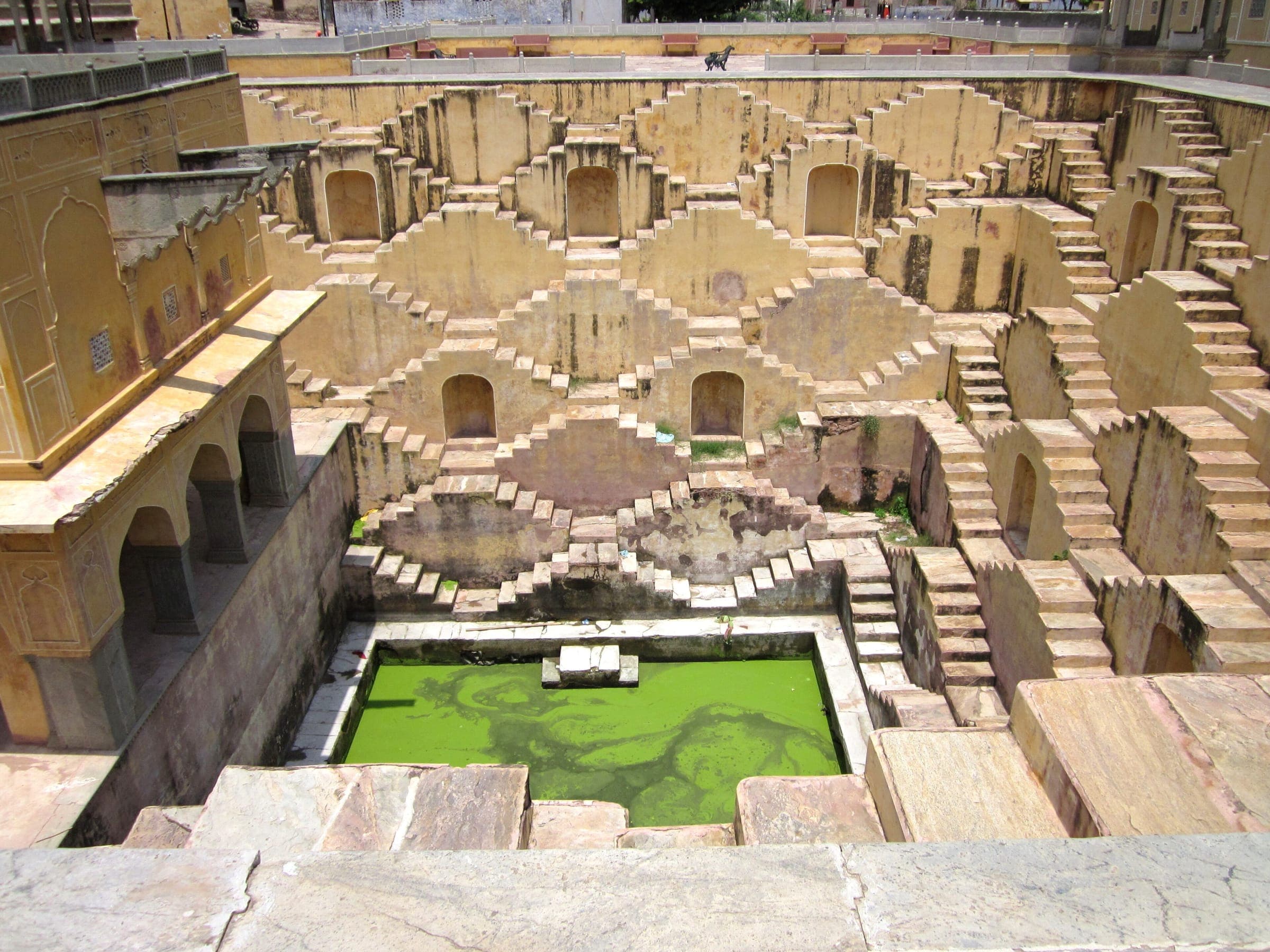
The rain that soaks into a field refills the well a family drinks from. The same water fills the village pond, feeds the river, and reaches the mangroves that hold the coast against cyclones. Break one link, and the failure travels. Restore it, and so does the recovery.
That’s why Planet Mama doesn’t run five separate programmes. We restore one connected system, from the ground beneath a village to the forest at the edge of the sea, with the people who depend on it.
How the system connectsThe water continuum
02Measured restoration
20,000+
Mangrove saplings planted
Source: Planet Mama programme reporting, as published on planetmama.org (2025)
4
Coastal states with mangrove plantation
Source: Planet Mama programme reporting, as published on planetmama.org (2025)
Communities engaged: figure pending verification
People with improved water or sanitation access: figure pending verification
Hectares under restoration: figure pending verification
Women engaged in restoration and livelihoods: figure pending verification
Status key: Reported figures come from programme teams. Verified figures are checked independently.
03Five restoration systems
WASH, mangroves, groundwater, wetlands and carbon aren’t separate programmes. Each one strengthens the others, because they share the same water.
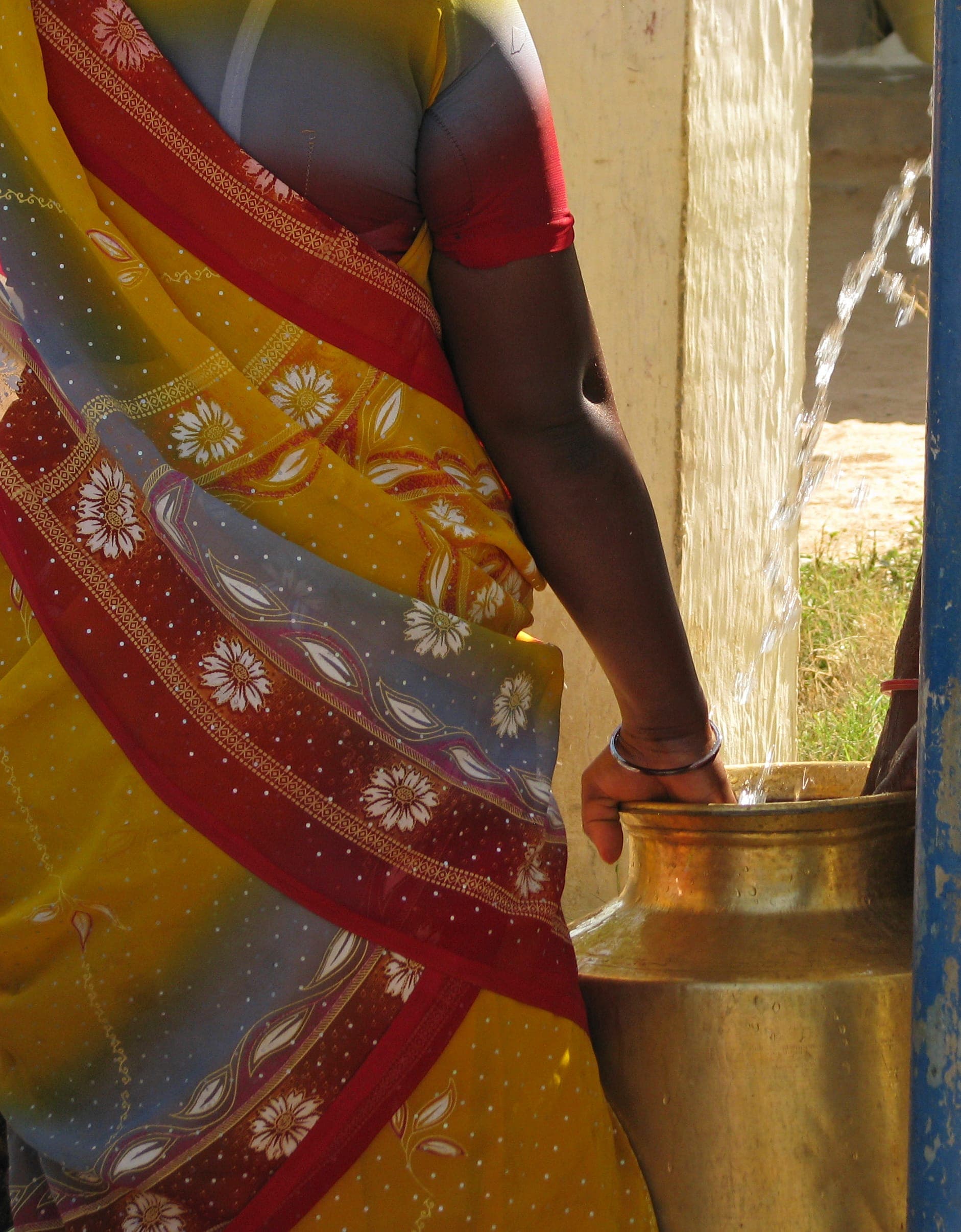 Photo: McKay Savage · CC BY 2.0 · Wikimedia Commons
04How the system works
Follow one drop of monsoon rain from a village field to the edge of the Bay of Bengal, and see where Planet Mama works along the way.
01 / 08
Everything starts with the monsoon. Most of a year's rain falls in a few months, and on hard, bare ground much of it runs straight off.
Planet Mama here
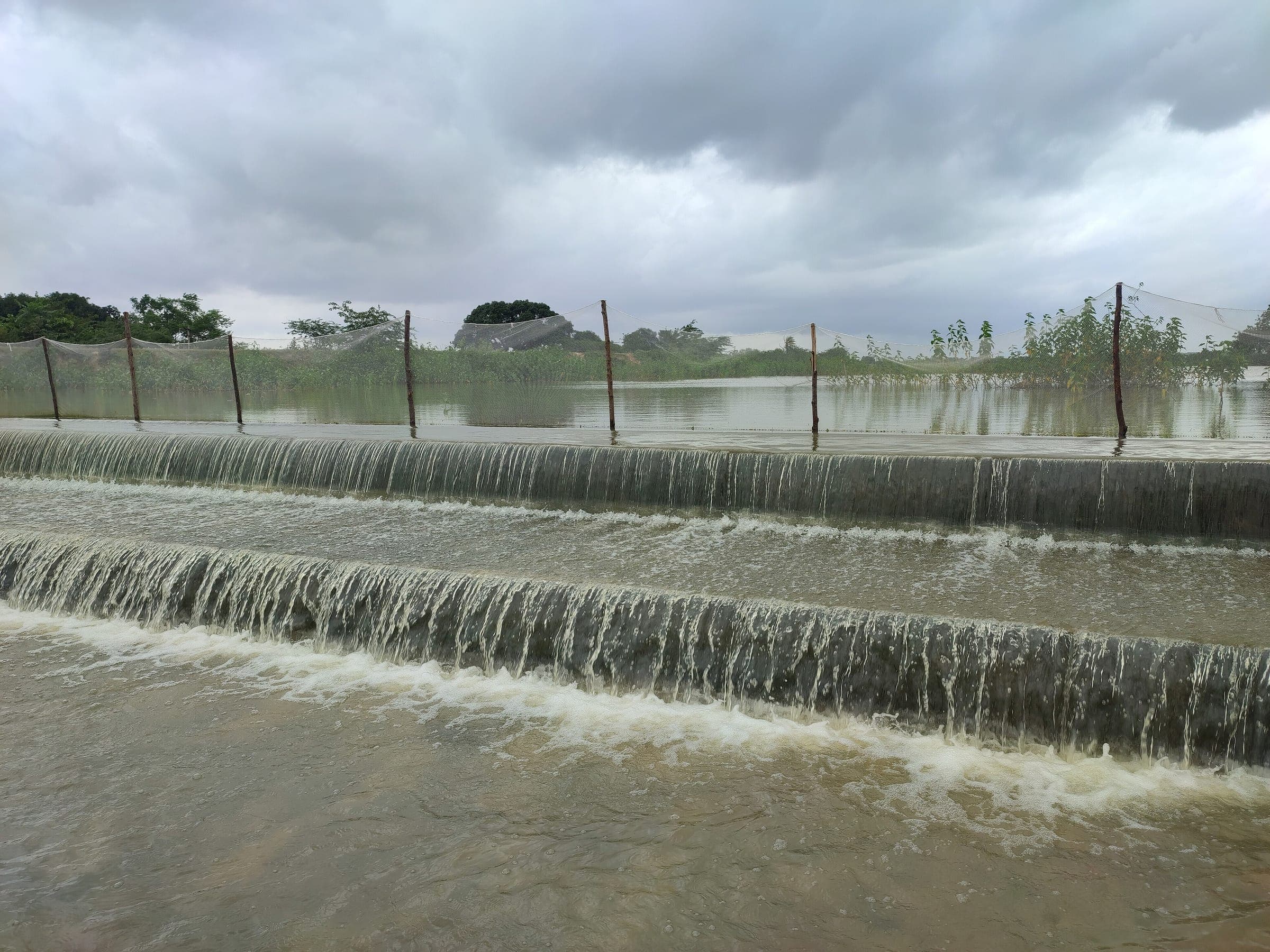
Check dams, percolation pits and rainwater harvesting slow the monsoon down so it can soak in.
Explore02 / 08
Below every village is a reservoir no one can see. India draws more groundwater than any other country, and in many places the water table is falling.
Planet Mama here
We detect aquifers, recharge them and model them with digital twins, so villages know what they have.
Recharge structures built: pending verification
Explore03 / 08
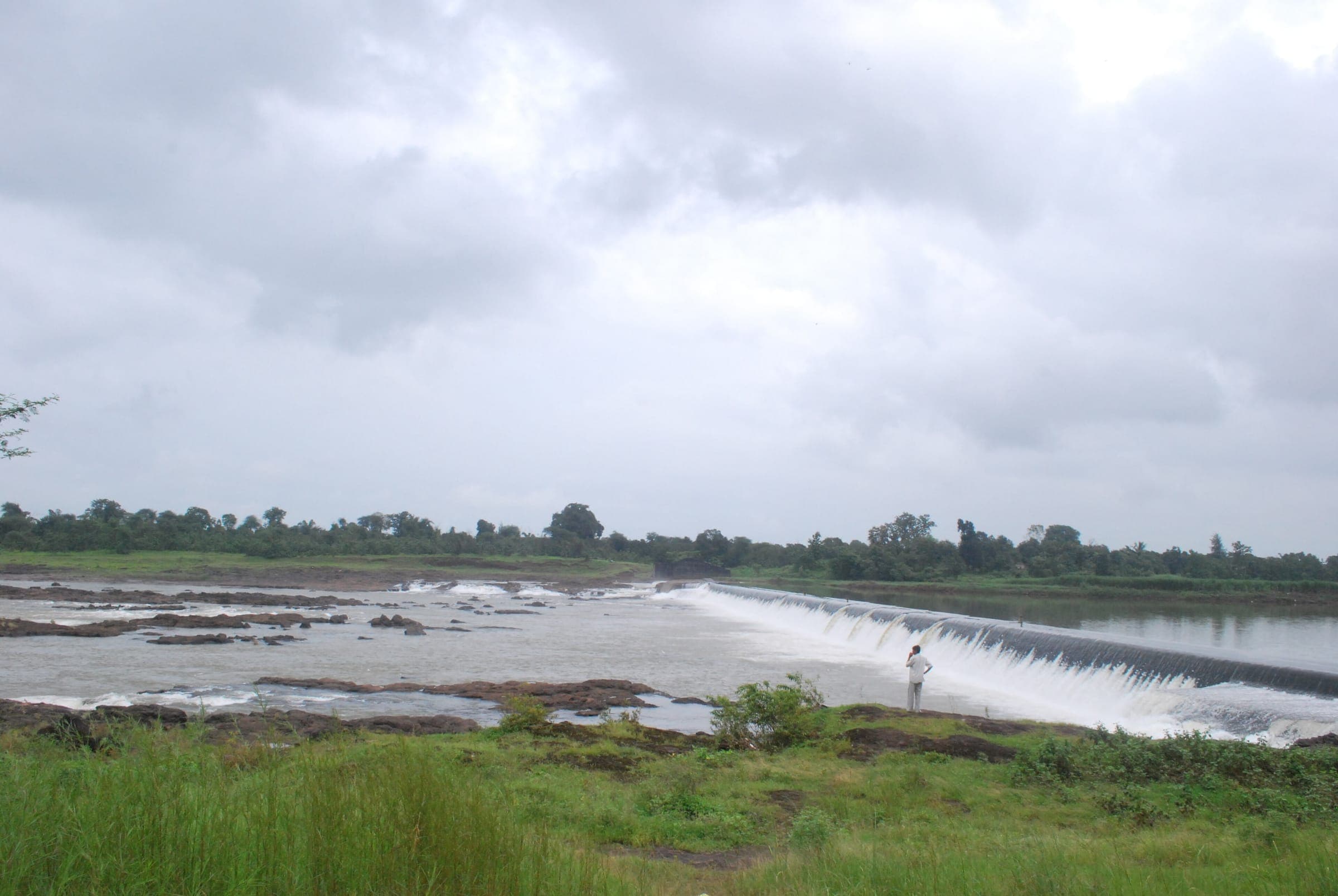
Rivers carry water, silt and nutrients through the delta. How they flow shapes every wetland and forest downstream.
Planet Mama here
Digital twins of rivers and water bodies simulate flows, recharge and use for local planners.
Explore04 / 08
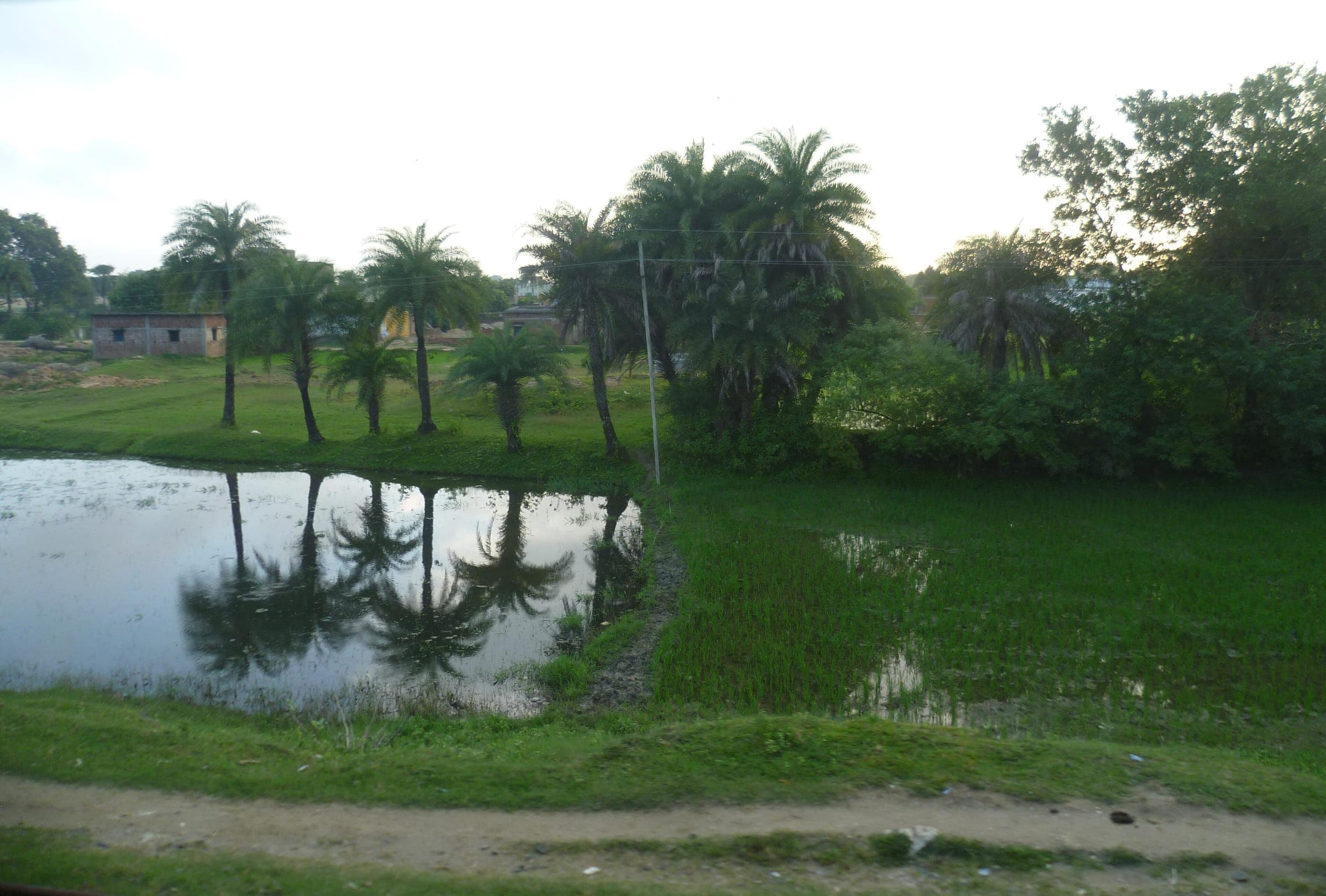
Village ponds and wetlands store monsoon water, filter waste, recharge aquifers and feed families. They are the everyday water infrastructure of Bengal.
Planet Mama here
Community desilting, clean-ups and natural treatment bring ponds and wetlands back to life.
Explore05 / 08
Where the river meets the tide, mangroves hold the coast. Their roots slow storm surges and anchor the banks that villages depend on.
Planet Mama here
Women-led nurseries and plantation restore the mangrove belt, and we measure survival, not just planting.
Mangrove saplings planted: 20,000+ (reported)
Explore06 / 08
Mangrove creeks are nurseries for the fish, crabs and prawns coastal families live on. A healthier coast means a more secure income.
Planet Mama here
Coastal livelihoods, including seaweed, give communities a stake in healthy nearshore waters.
Explore07 / 08
People aren't outside the system. They use it, manage it and depend on it, and in coastal Bengal that daily work falls mostly to women.
Planet Mama here
Eco-sanitation with women's cooperatives, and women leading nurseries and water planning.
Explore08 / 08
A restored water system absorbs shocks such as floods, cyclones and droughts. Its mangroves and wetlands also store carbon.
Planet Mama here
High-integrity blue carbon, with every estimate labelled as an estimate.
Carbon credits issued: none to date
Explore05Featured projects
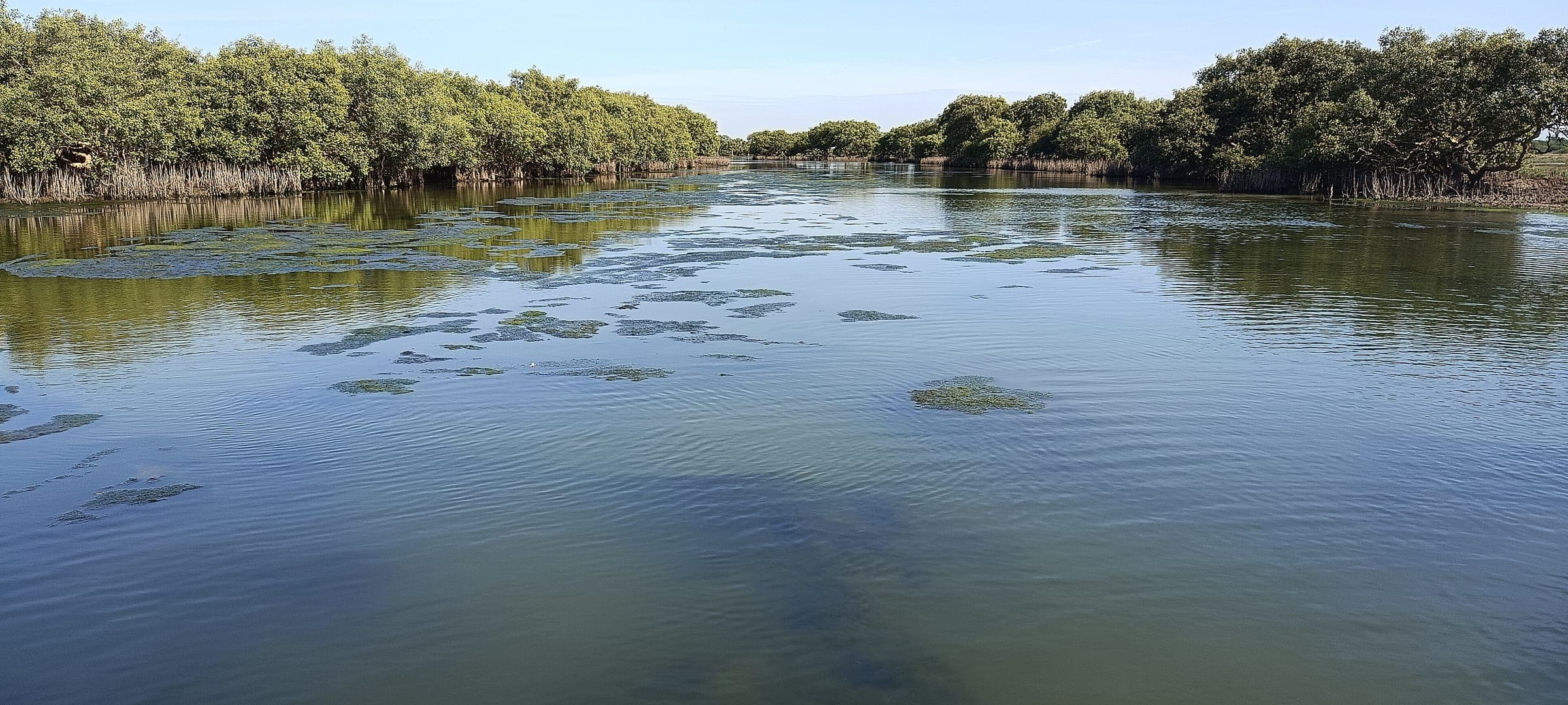
South 24 Parganas, West Bengal · India
Women-led mangrove nurseries and plantation that rebuild the living edge between the Sundarbans villages and the tide.
Saplings planted at this sitePending verification
ExploreRural and coastal West Bengal · India
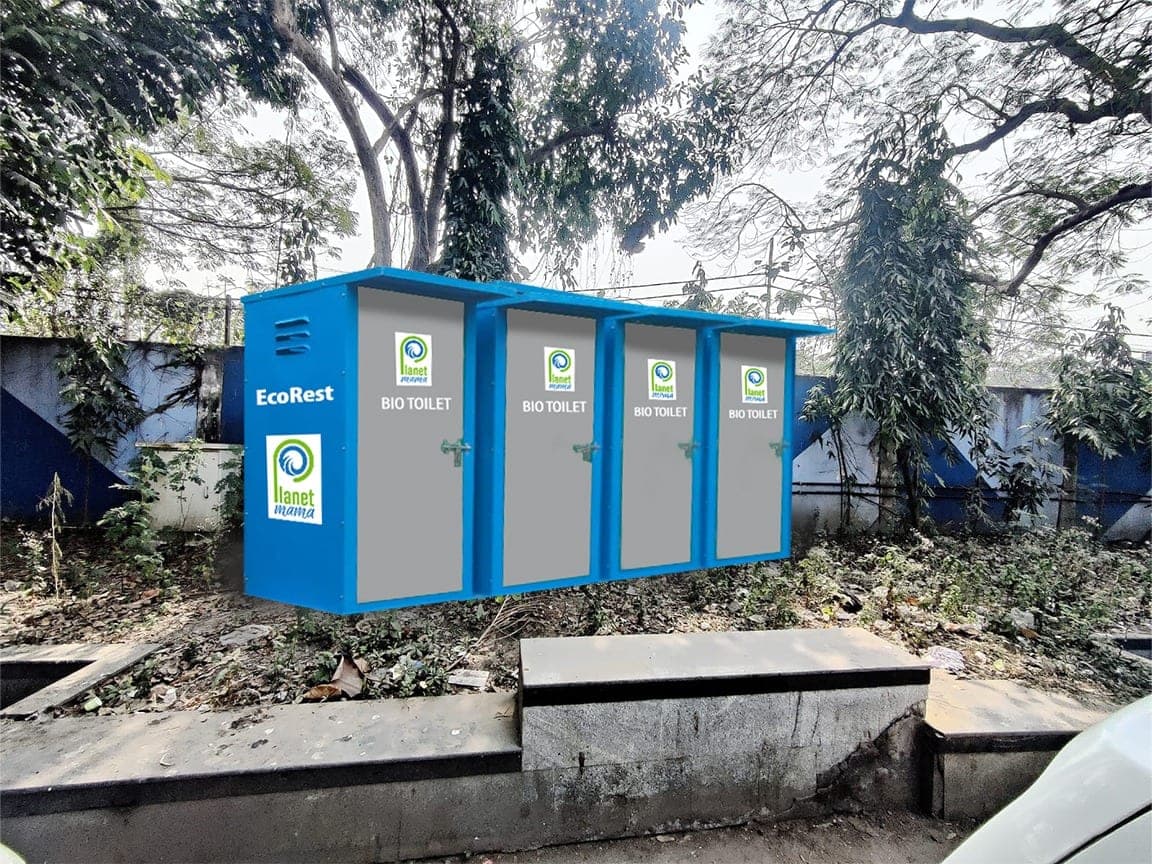
Waterless bio-toilets installed and cared for with local women's cooperatives, bringing sanitation where sewers never will.
Eco-toilets installedPending verification
ExploreWest Bengal · India
Mapping hidden aquifers, recharging them, and building digital twins of ponds and rivers so villages can see and manage their water.
Recharge structures builtPending verification
ExploreNorth 24 Parganas, West Bengal · India
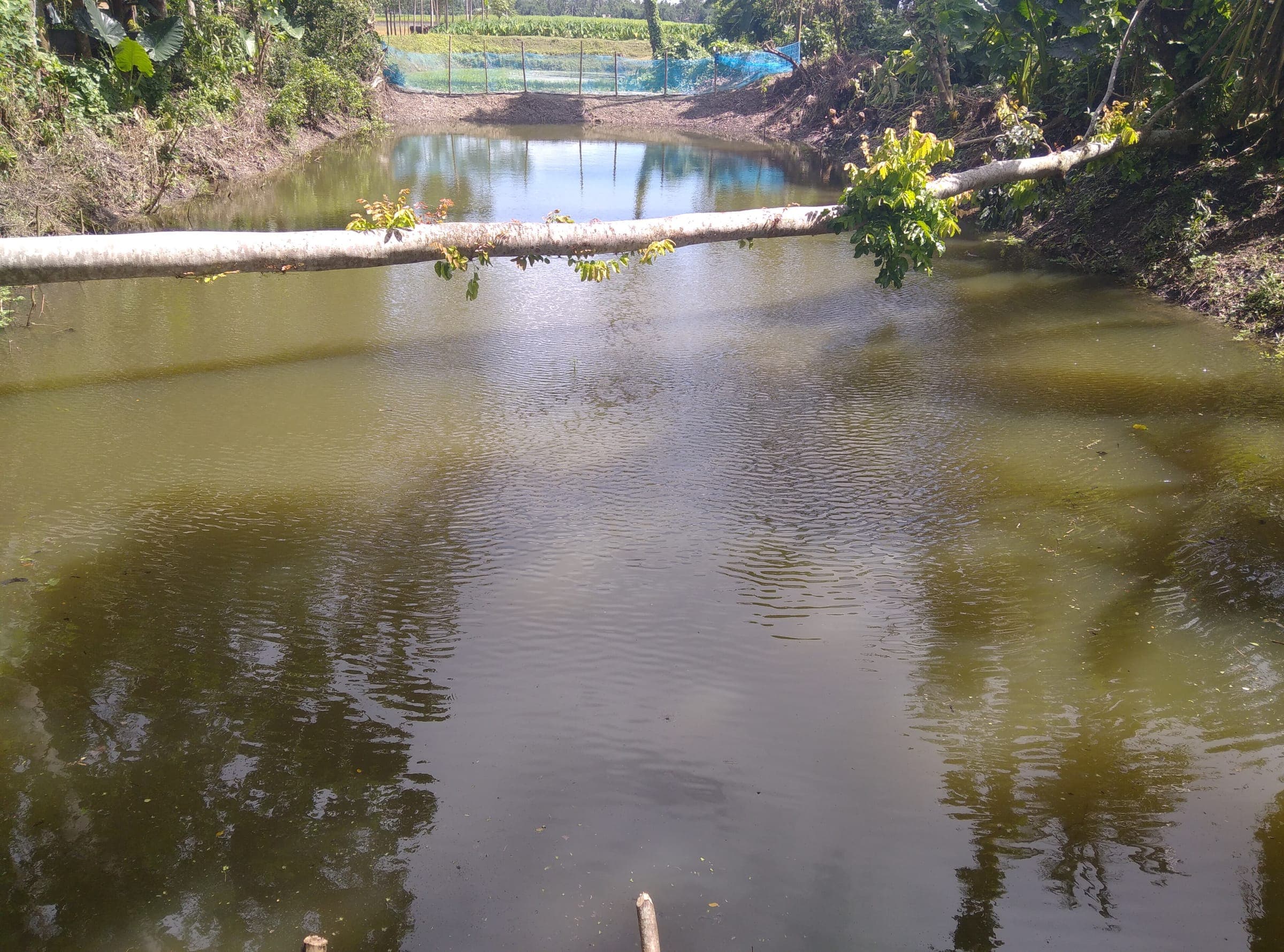
Cleaning and reviving the ponds and small wetlands that store monsoon water, recharge aquifers and feed families.
Ponds and wetlands revivedPending verification
ExploreTamil Nadu coast · India
Nature-based coastal livelihoods, including seaweed, that give coastal families a stake in healthy nearshore waters.
Women in coastal livelihood programmesPending verification
ExploreIndian Sundarbans, West Bengal · India
Testing whether restored mangroves can support a high-integrity blue carbon project that funds communities for decades.
Area assessedPending verification
Explore06Global map
Our anchor landscape is the Bengal delta. From Kolkata, the work reaches the Sundarbans, the Odisha coast and the shores of Tamil Nadu.
India · 8 projects
Select a location on the map, or choose a project below.
07Women & water
Where water isn’t piped to the home, fetching it falls overwhelmingly to women and girls. That’s why women lead Planet Mama’s work: in nurseries, in sanitation cooperatives and in planning their village’s water.
200 million
hours spent by women and girls every day collecting water, worldwide.
Source: UNICEF, 2016
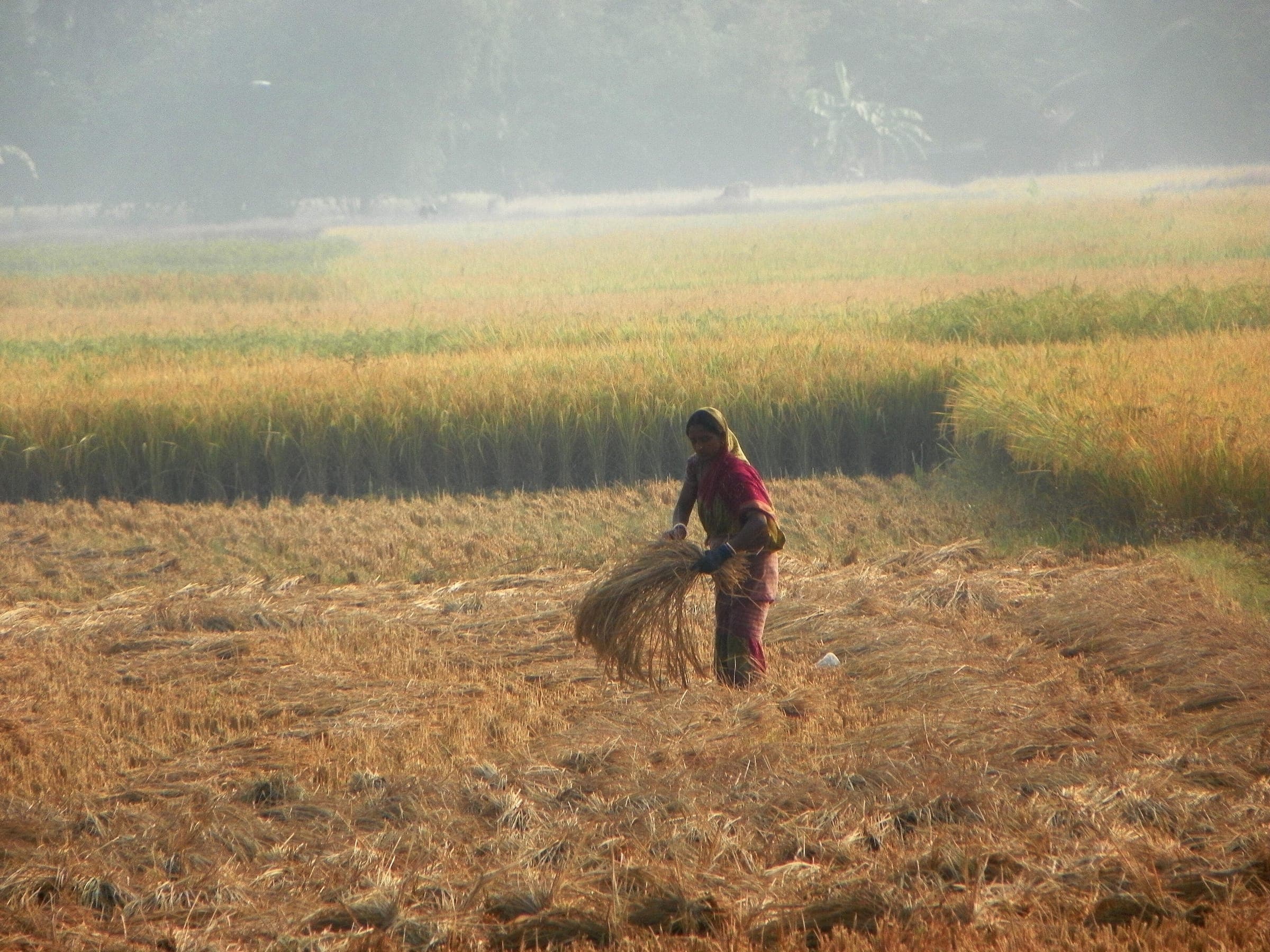 Photo: juggadery · CC BY-SA 2.0 · Wikimedia Commons
“I no longer have to walk miles for a safe place. This toilet is my pride.”
01
Safe water and sanitation closer to home return hours to every day.
02
Paid nursery, restoration and sanitation work builds income and skills.
03
Women's cooperatives and nursery groups hold real decisions.
04
Safe sanitation protects families and the ponds they rely on.
0708Stories
Insights
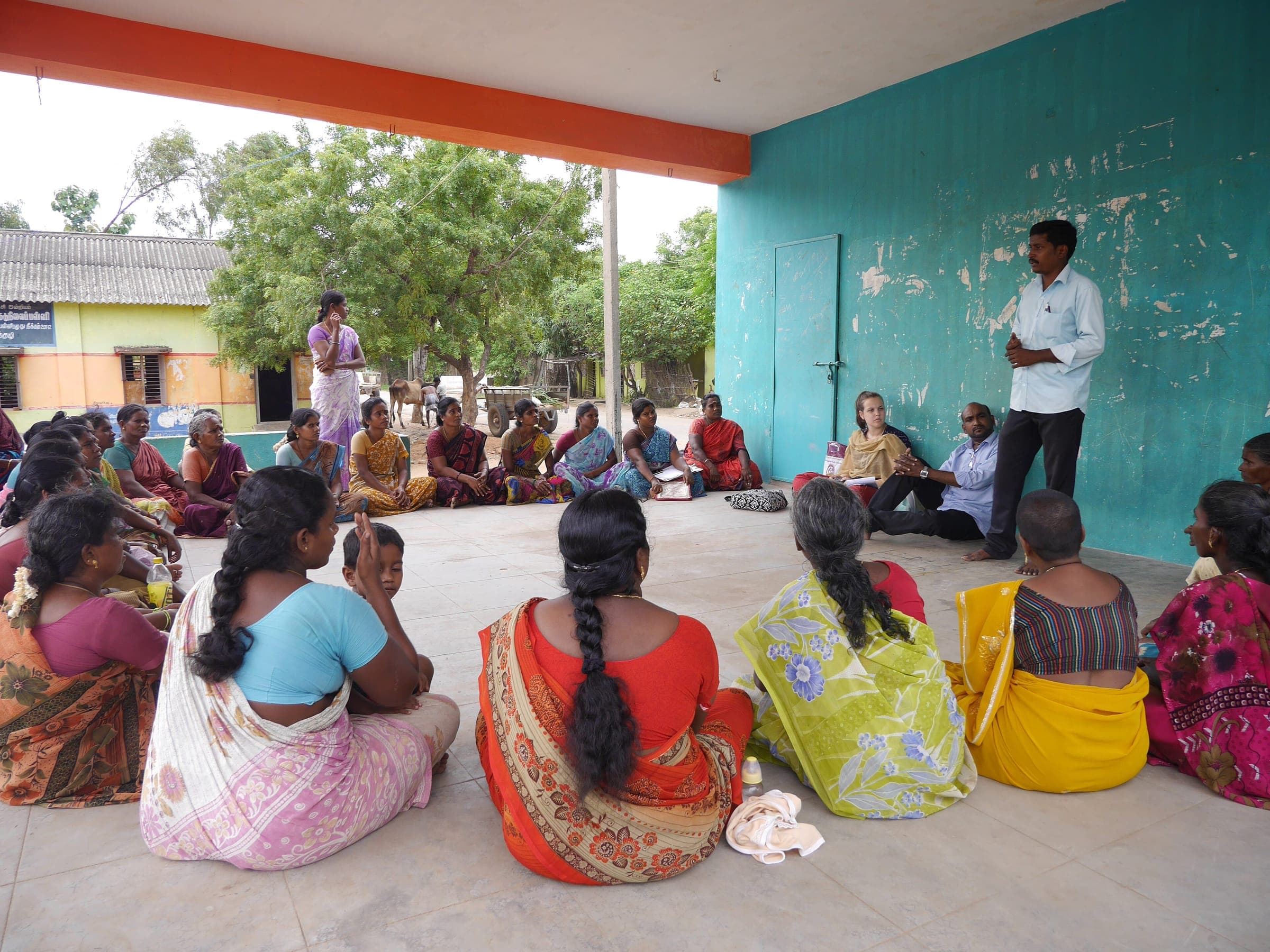
Why Planet Mama works across the whole water continuum, from the rain on a field to the mangroves at the coast, instead of choosing one piece of it.
6 min read
09Partners
Village councils, women's cooperatives and user groups: the first and most important partners in every project.
Panchayats, district and state agencies whose planning and permissions make restoration last.
Universities and institutes that bring hydrology, ecology and social science to our designs and monitoring.
Philanthropy that funds early-stage restoration, evidence-building and community capacity.
Companies funding water and nature outcomes through CSR and value-chain programmes.
Investors and carbon buyers committed to high-integrity, community-first nature-based projects.
Remote-sensing, data and engineering partners behind our groundwater and digital-twin work.
Local and international organisations we collaborate with to reach further, together.
0810Get involved
From water security to ecosystem restoration, we are building healthier systems for people and planet.