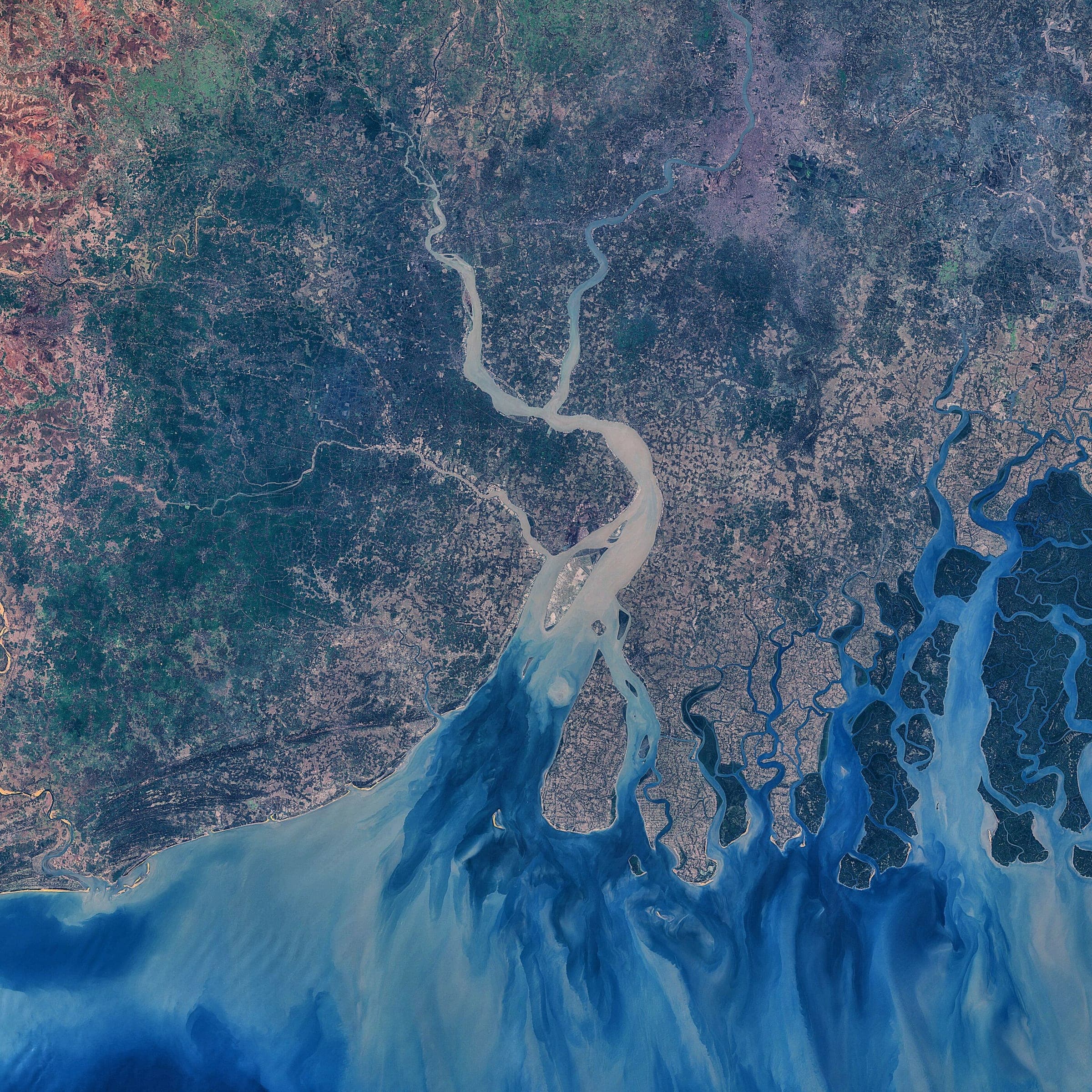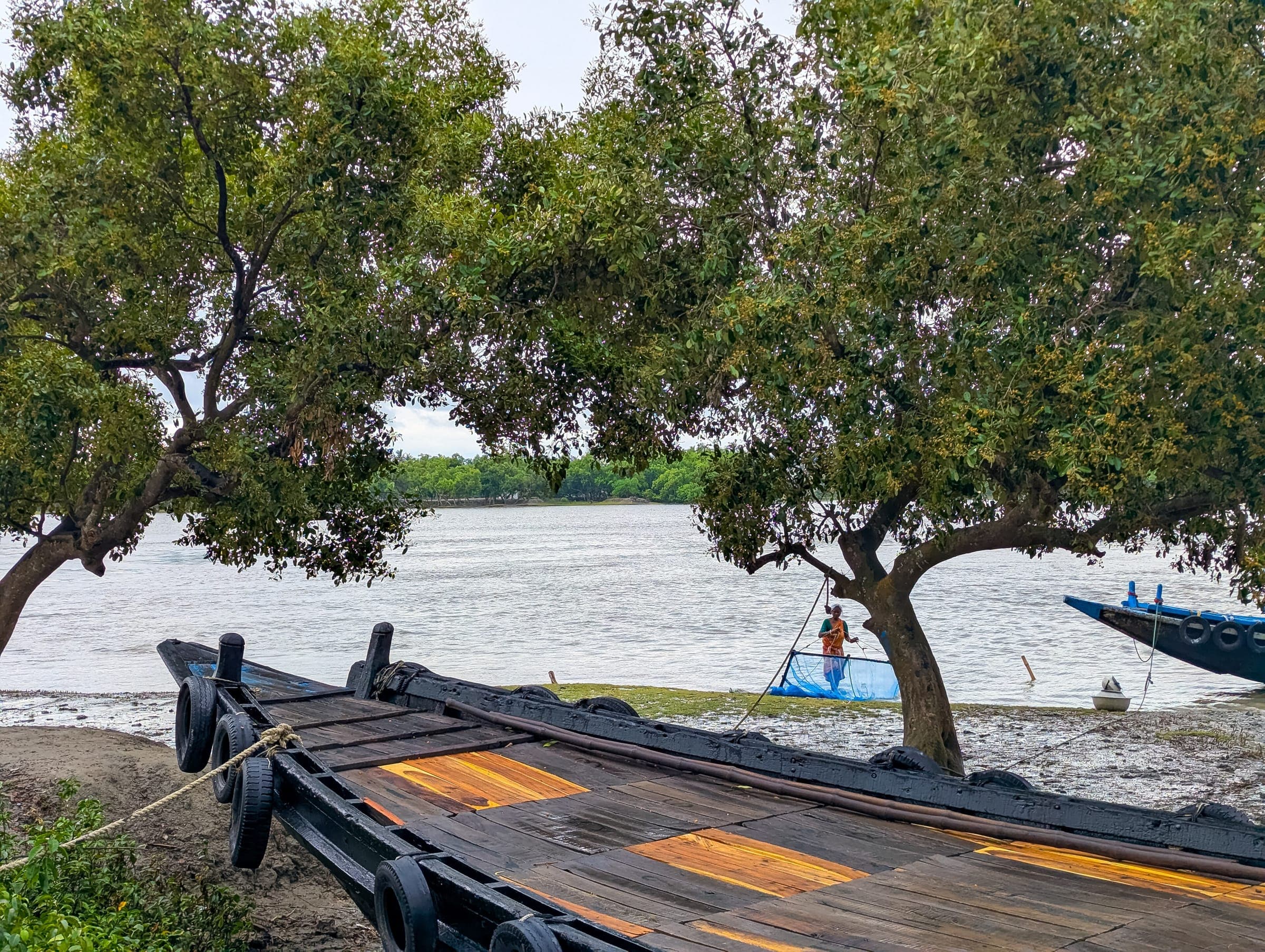
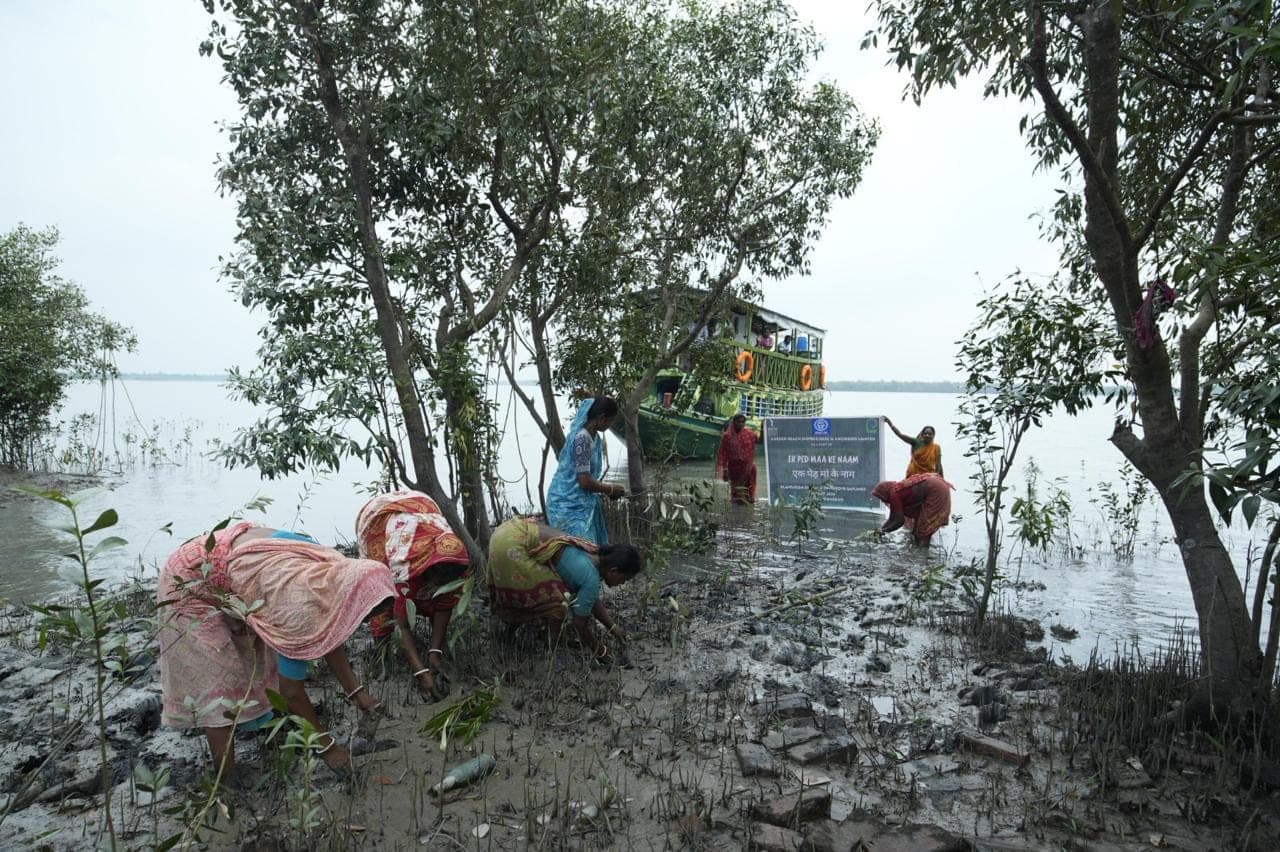
South 24 Parganas, West Bengal · India
Women-led mangrove nurseries and plantation that rebuild the living edge between the Sundarbans villages and the tide.
Saplings planted at this sitePending verification
Explore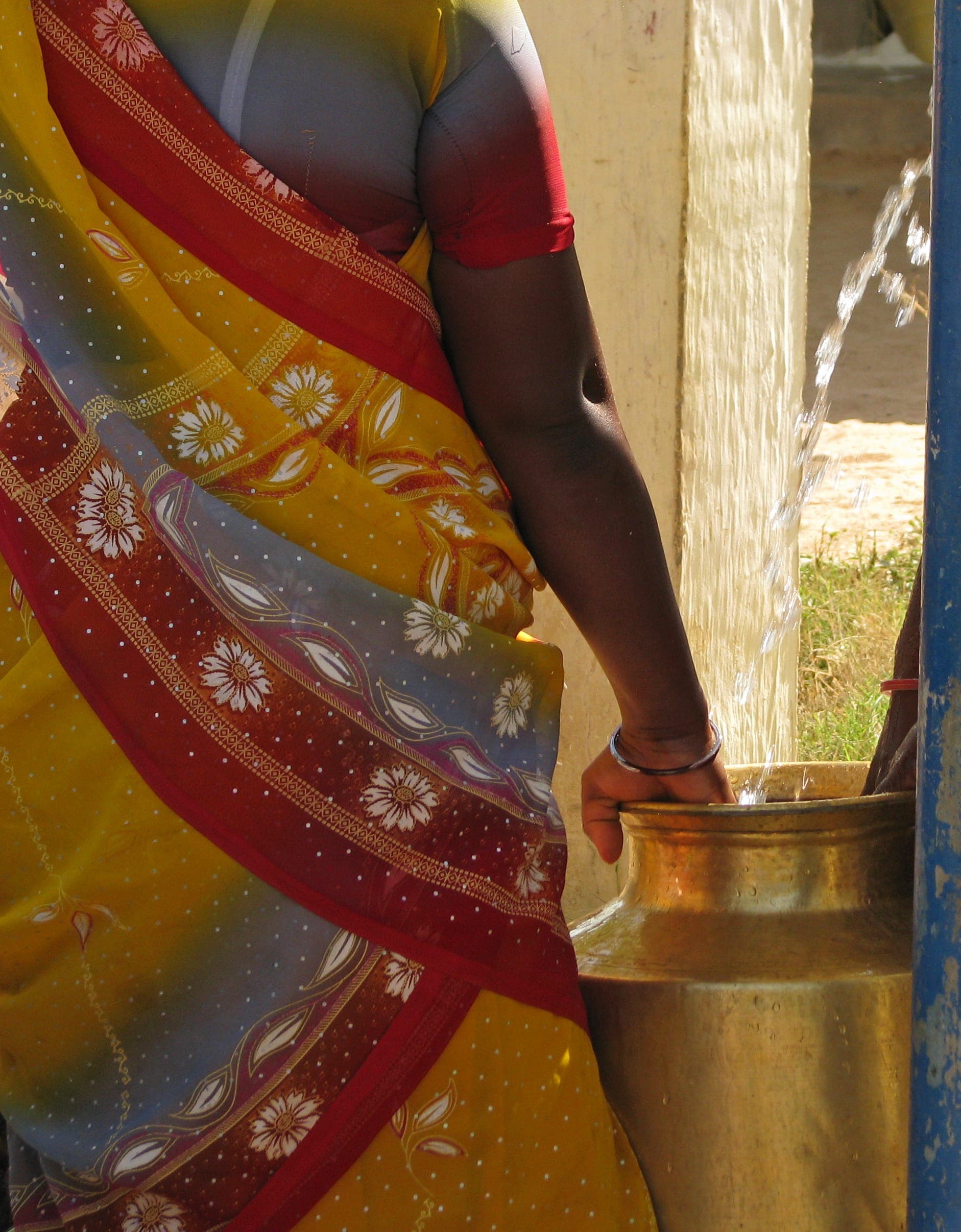
01 · Safe water, sanitation and hygiene.
The challenge
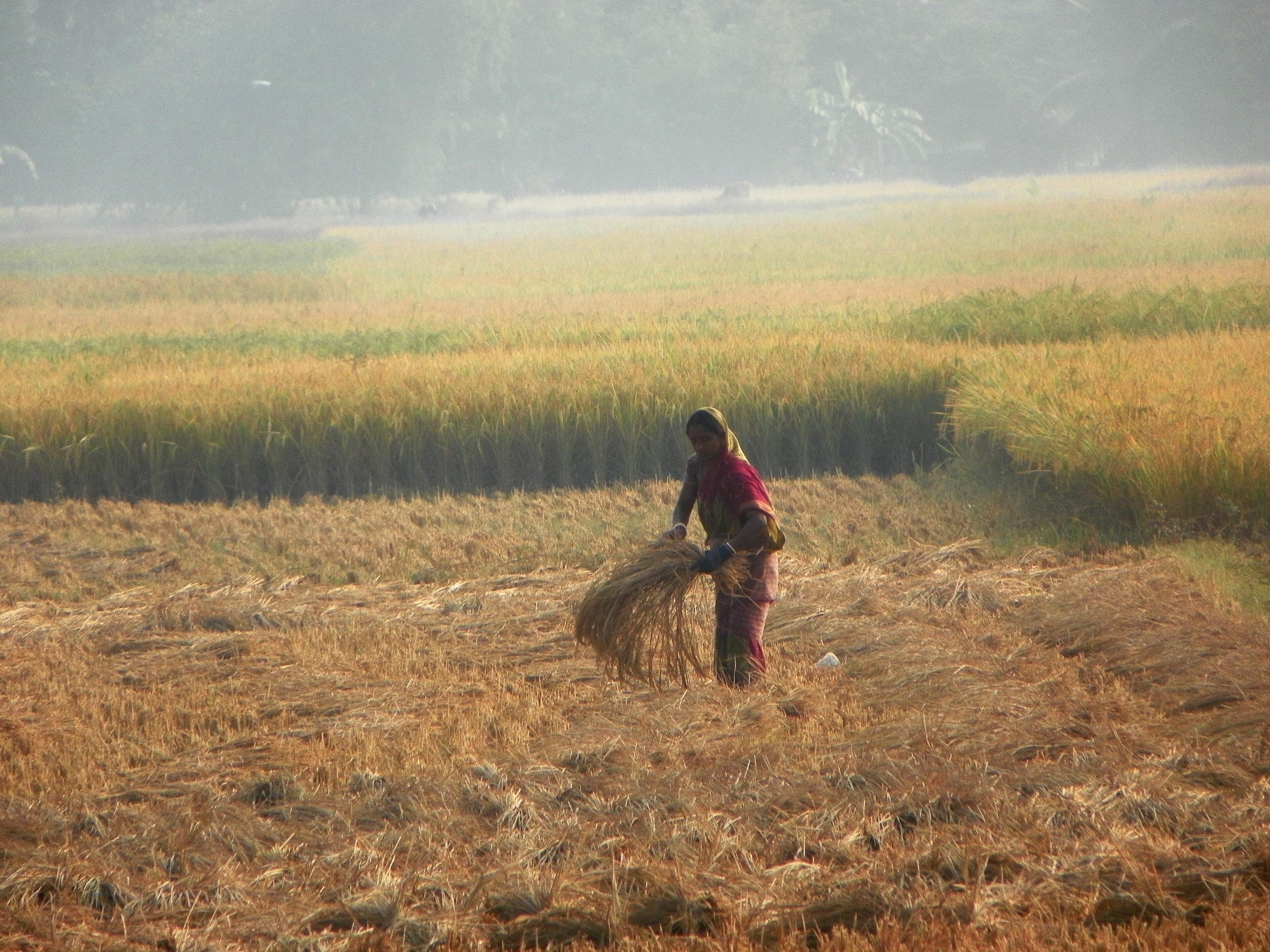
In coastal Bengal, rising salinity is turning ponds and shallow wells brackish, and cyclones repeatedly damage what infrastructure exists. Sanitation that depends on piped water or sewer lines simply does not work here. The burden of finding safe water, and a safe place to go, falls first on women and girls.
Our approach
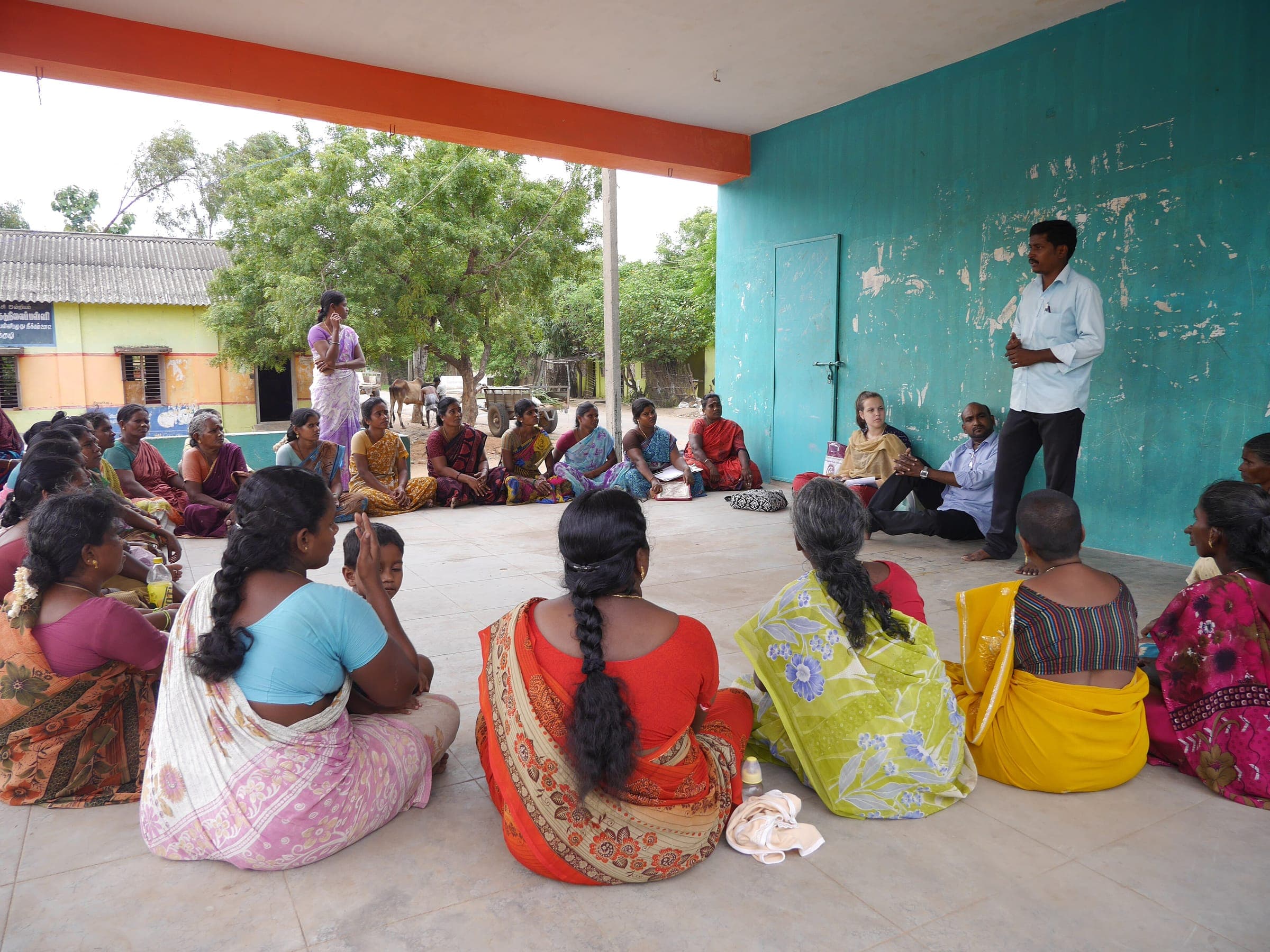
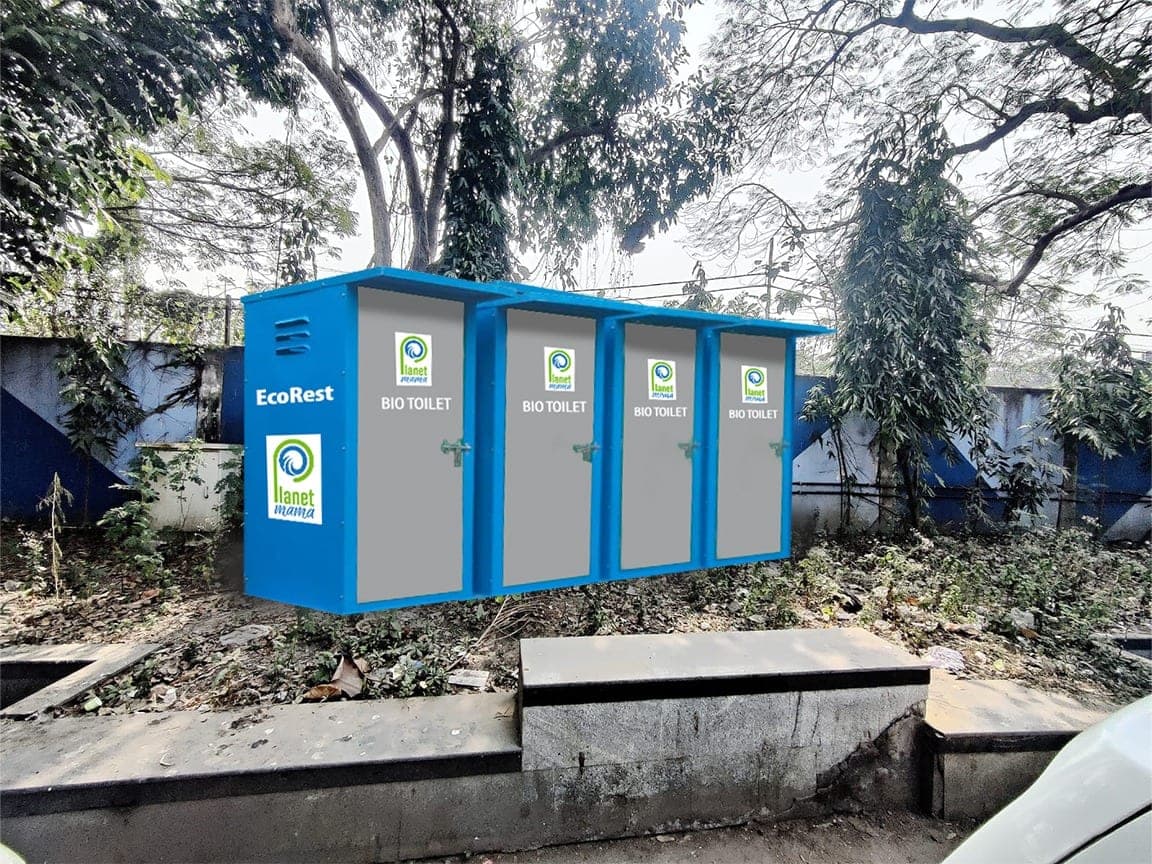
Waterless toilets that use bio-digestion to turn waste into compost, with no sewer, chemicals or external power. They are installed and looked after with local women's cooperatives, so ownership stays in the community.
Low-cost systems that use sunshine and seawater or brackish water to produce drinking water. They are designed for places with high solar irradiation, complex water types and expensive water supply.
Community sessions on safe storage, handwashing and testing, so the water that arrives stays safe to drink.
What we measure
People with improved water or sanitation access: figure pending verification
Eco-sanitation units installed: figure pending verification
Communities engaged: figure pending verification
Projects
South 24 Parganas, West Bengal · India
Women-led mangrove nurseries and plantation that rebuild the living edge between the Sundarbans villages and the tide.
Saplings planted at this sitePending verification
ExploreRural and coastal West Bengal · India
Waterless bio-toilets installed and cared for with local women's cooperatives, bringing sanitation where sewers never will.
Eco-toilets installedPending verification
ExploreCoastal West Bengal · India
Harnessing sunshine and seawater to produce safe drinking water where groundwater has turned salty.
Litres of drinking water per dayPending verification
ExploreStories