Mangroves
Why the Sundarbans needs its mangroves
The forest at the edge of the village is a flood defence, a fish nursery and a carbon store, and it is where restoration starts.
Planet Mama5 min read
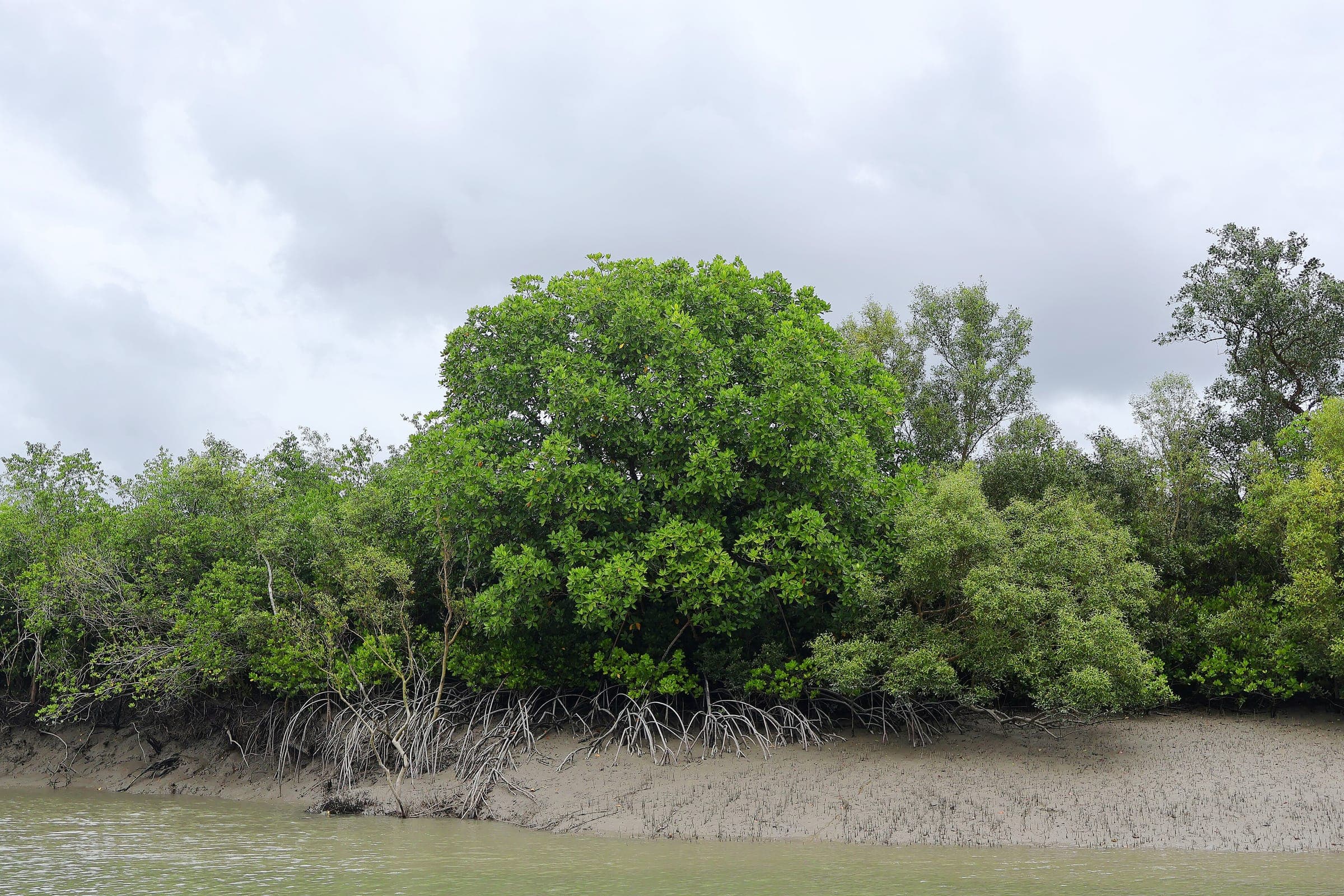 Photo: Kingshuk Mondal · CC BY 4.0 · Wikimedia Commons
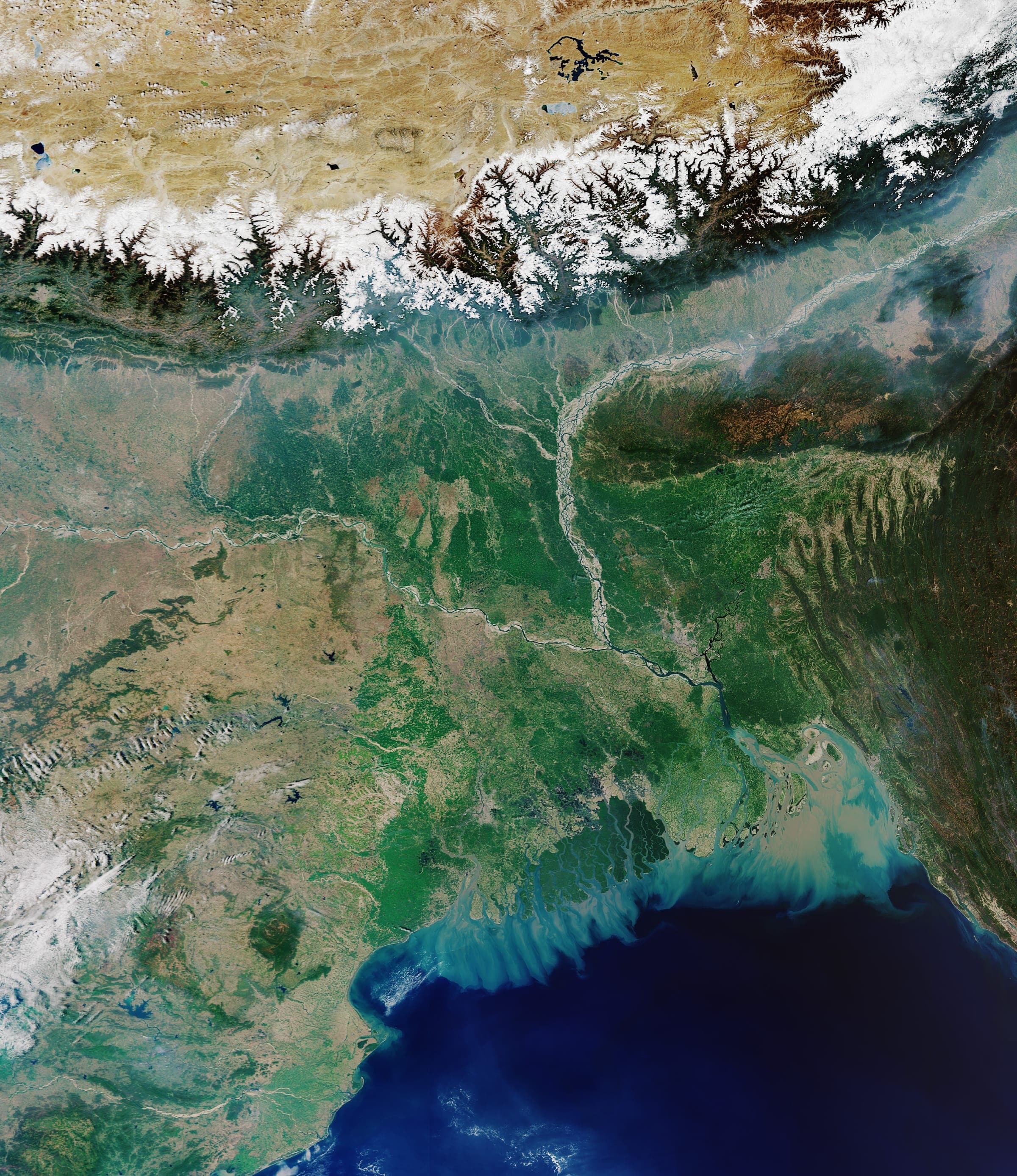
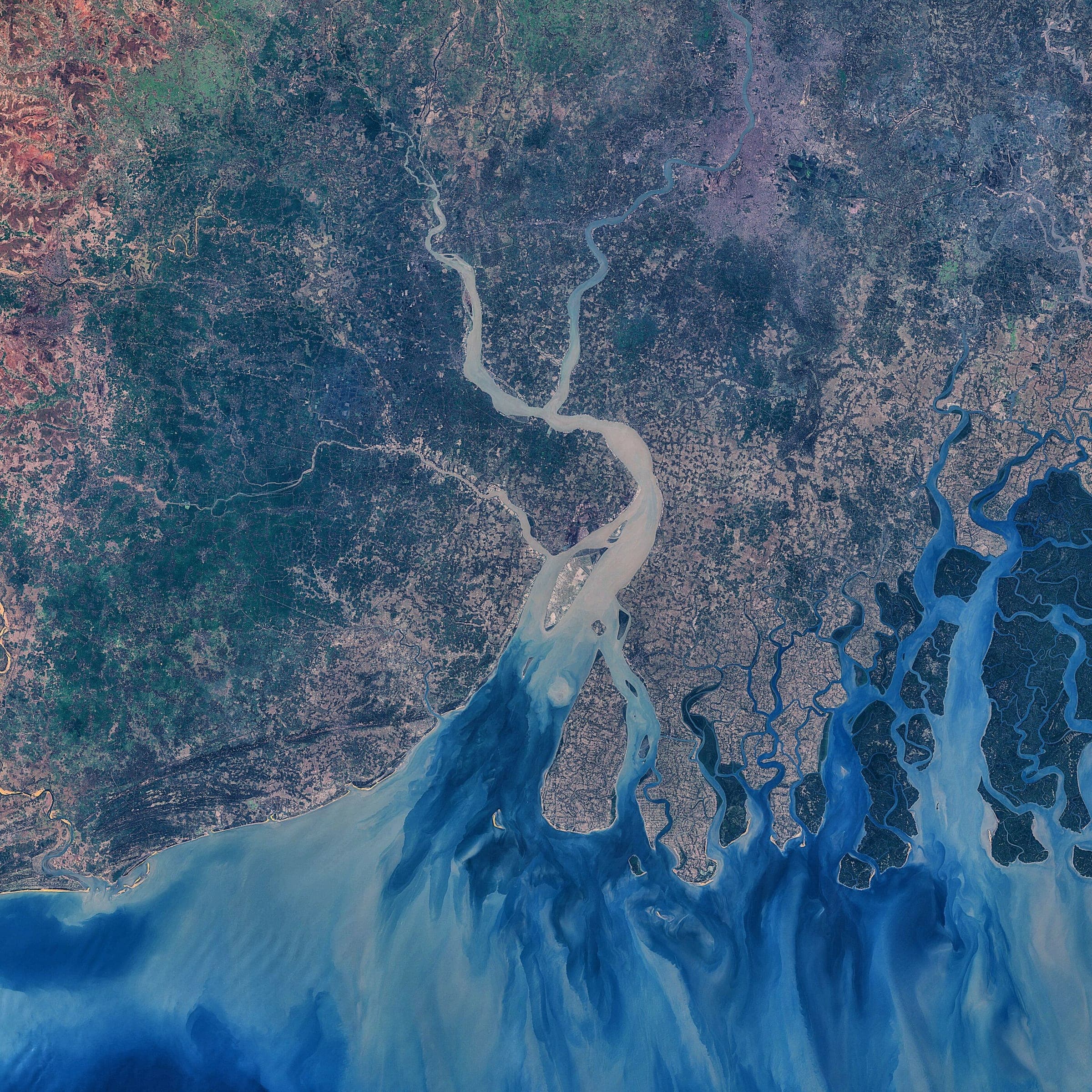
The Sundarbans is the largest mangrove forest in the world, spread across the delta shared by India and Bangladesh. For the villages on its islands, the forest is not scenery. It is infrastructure.
Living defences
Mangrove roots slow incoming water and trap sediment. Where a healthy belt of mangroves stands in front of an embankment, the embankment faces less of the tide's energy. Where the belt has gone, embankments erode and breach, and saltwater floods fields and freshwater ponds.
“Our village is now better protected from floods.”
Restoration led by women
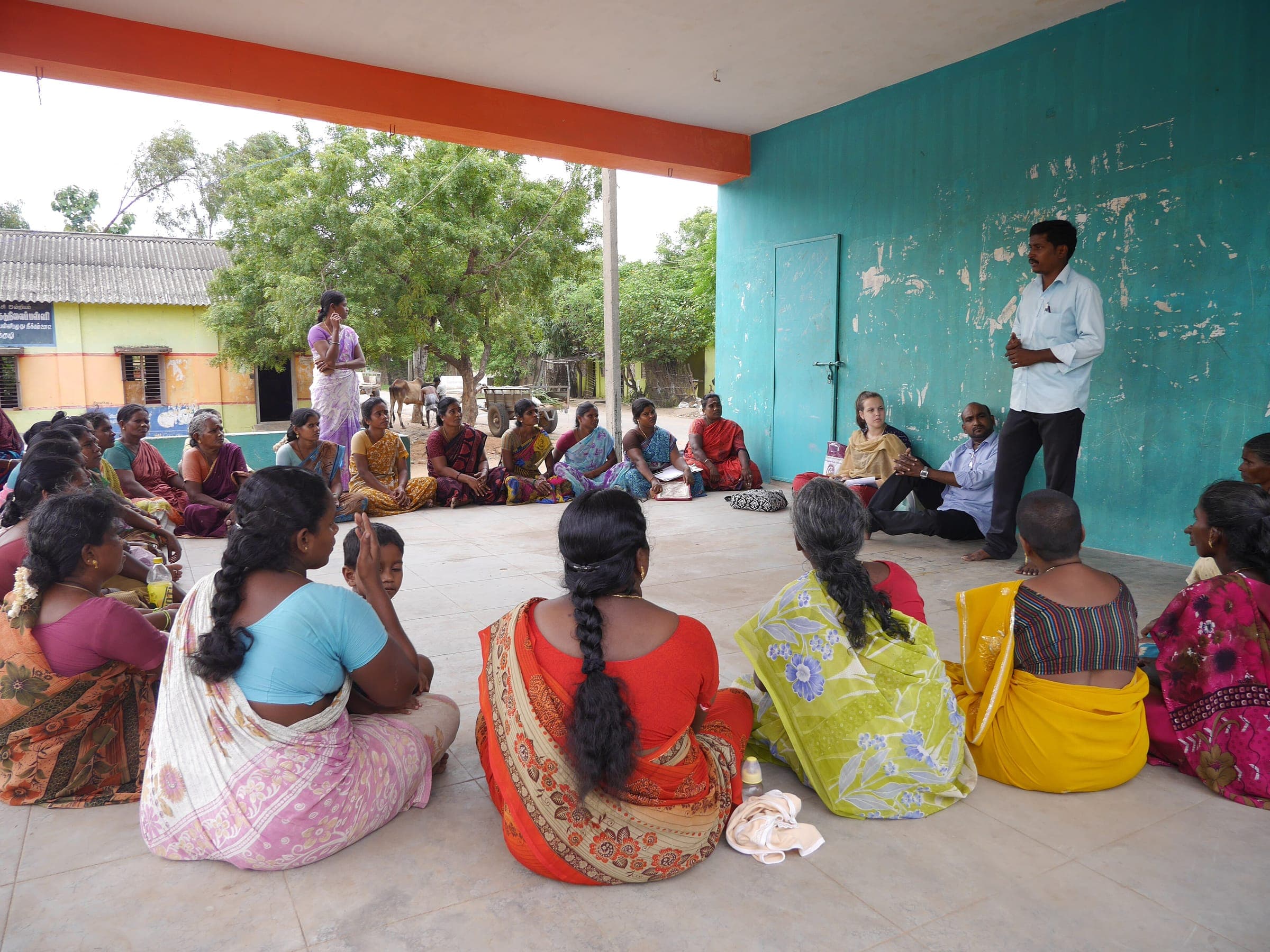
Planet Mama's mangrove programme involves women at every step, from seed collection and nurseries to planting and aftercare. Across four coastal states in India, the programme has reported more than 20,000 saplings planted. The next task is to show how many survive, and we will publish survival data as it becomes available.
Mangroves also store unusually large amounts of carbon in their soils. That opens a route to long-term climate finance for restoration, but only if it is done with the integrity that communities and buyers deserve.
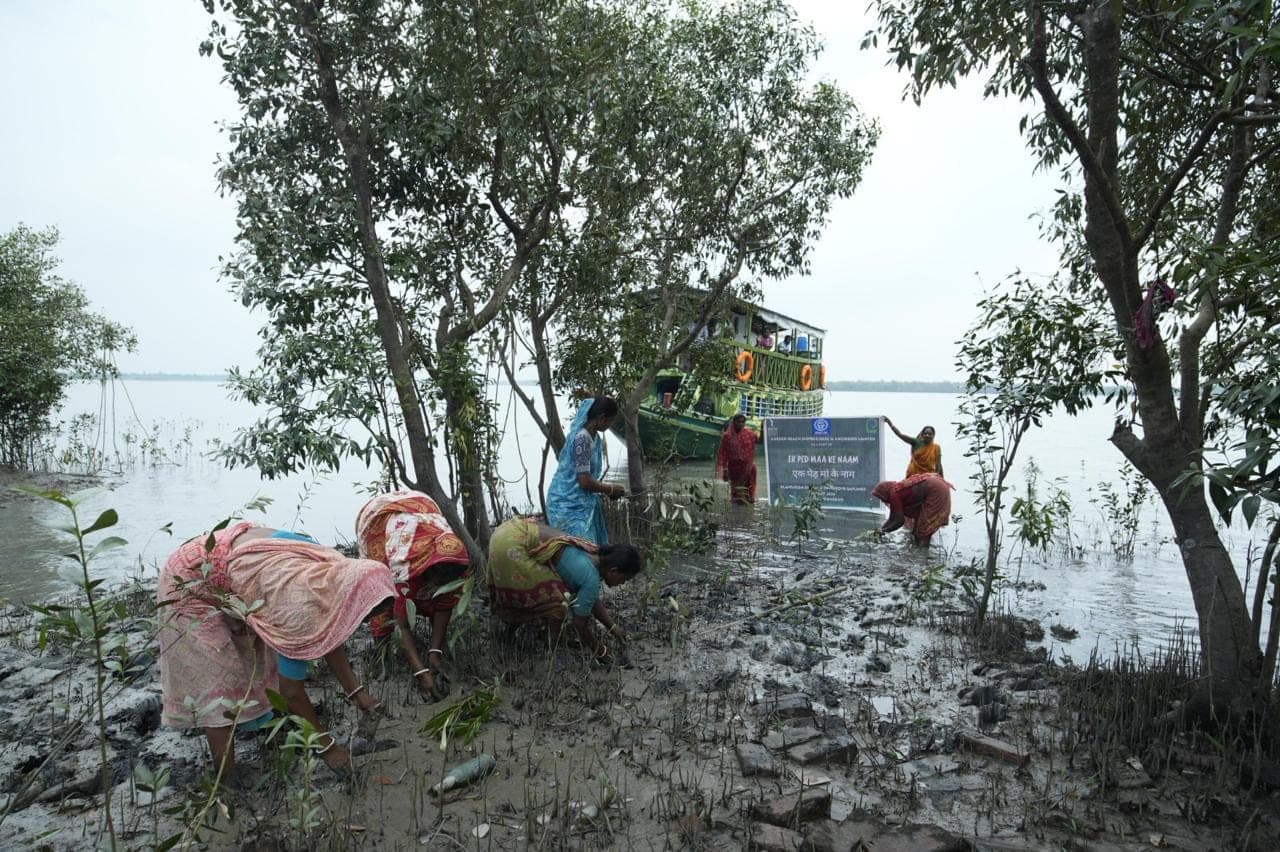
South 24 Parganas, West Bengal · India
Women-led mangrove nurseries and plantation that rebuild the living edge between the Sundarbans villages and the tide.
Saplings planted at this sitePending verification
Explore