Insights
Water connects everything
Why Planet Mama works across the whole water continuum, from the rain on a field to the mangroves at the coast, instead of choosing one piece of it.
Planet Mama6 min read
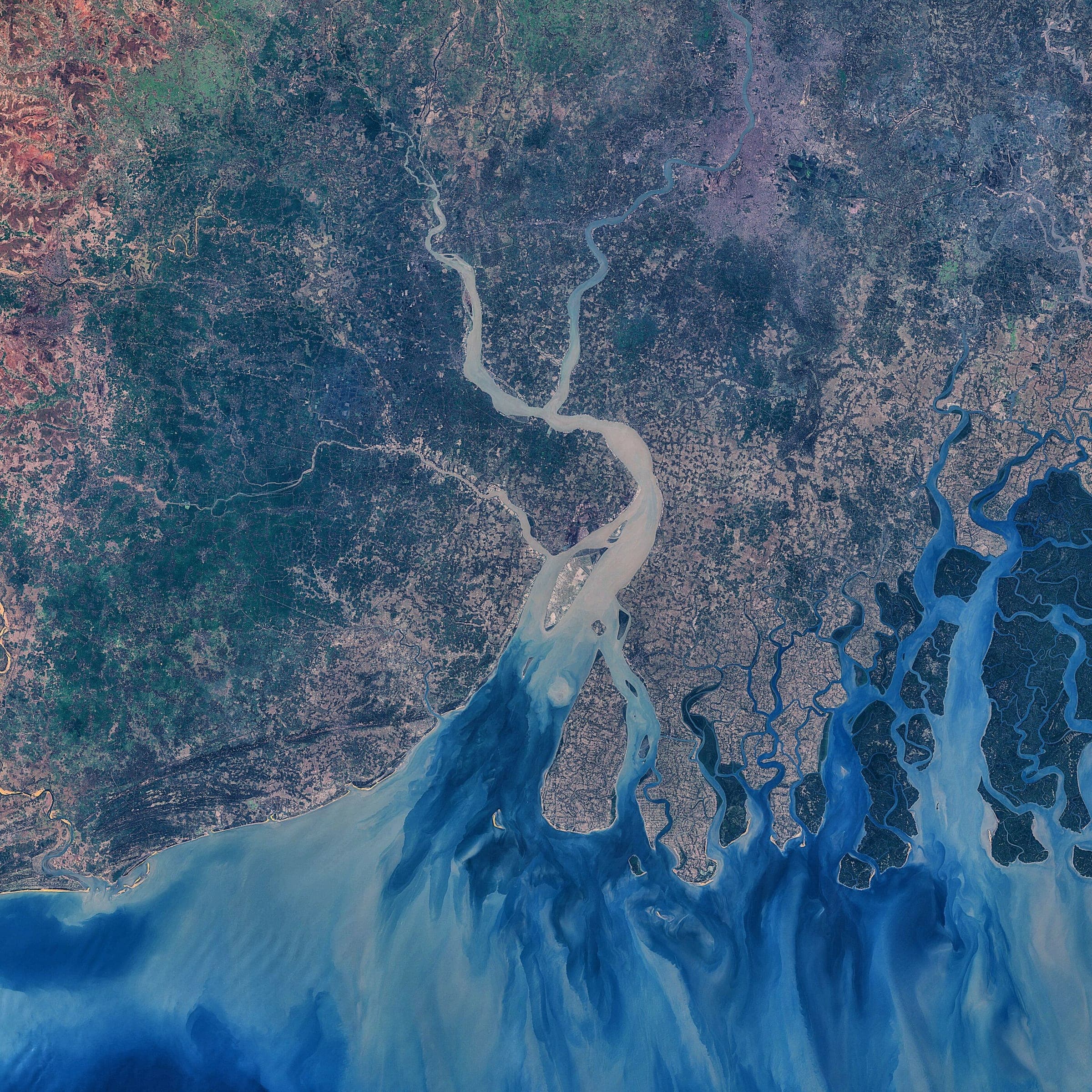 Photo: Antti Lipponen · CC BY 2.0 · Wikimedia Commons
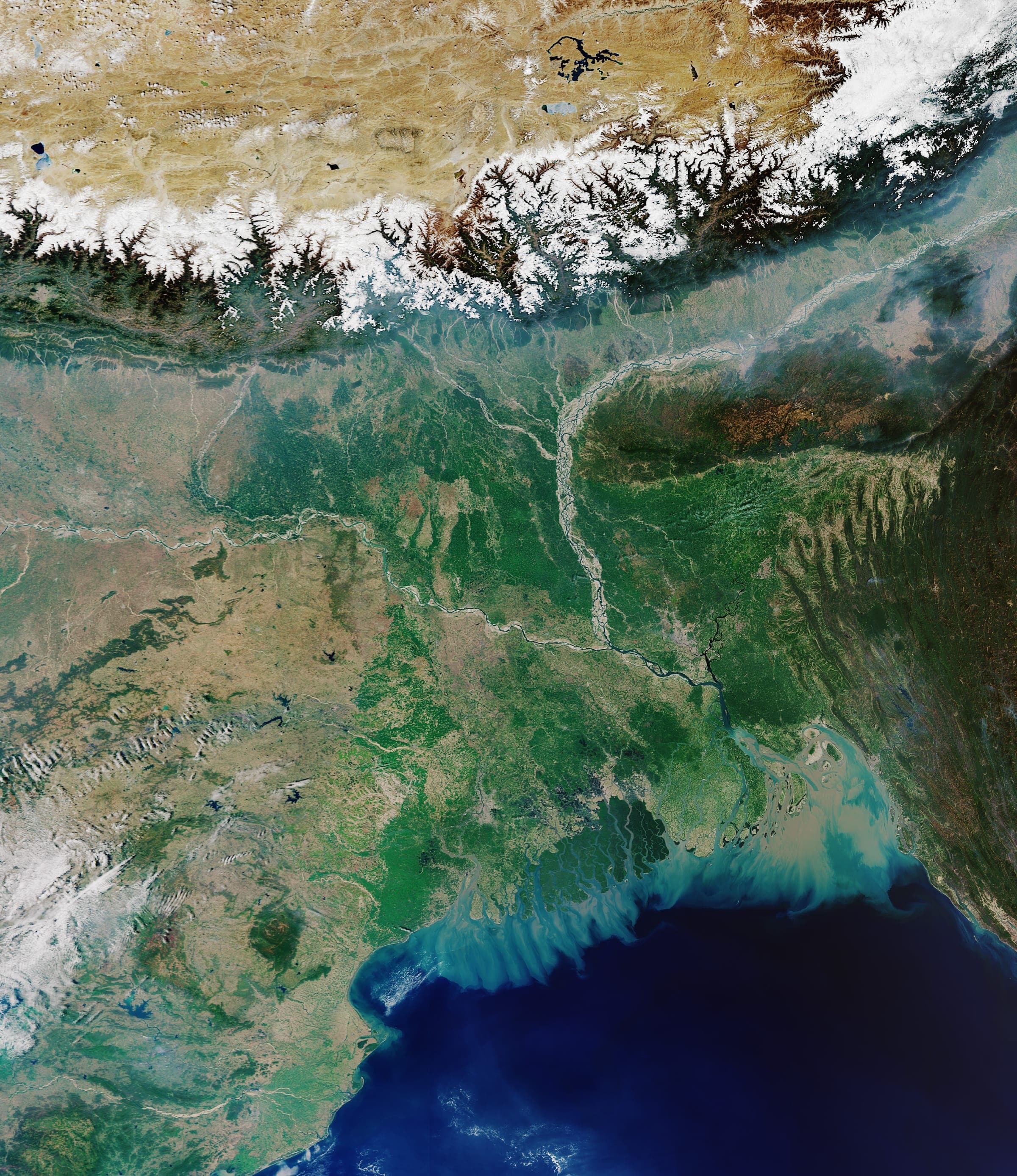
Look at the Ganges delta from space and you can't tell where the river ends and the sea begins. Channels braid and split, forest and farmland interlock, freshwater and tide push against each other twice a day. It is one system.
On the ground, we tend to break that system into sectors. Sanitation sits in one department, forests in another, groundwater in a third, and carbon markets somewhere else entirely. Each gets its own budget, indicators and timeline. The water doesn't respect any of these boundaries.
One drop, many jobs
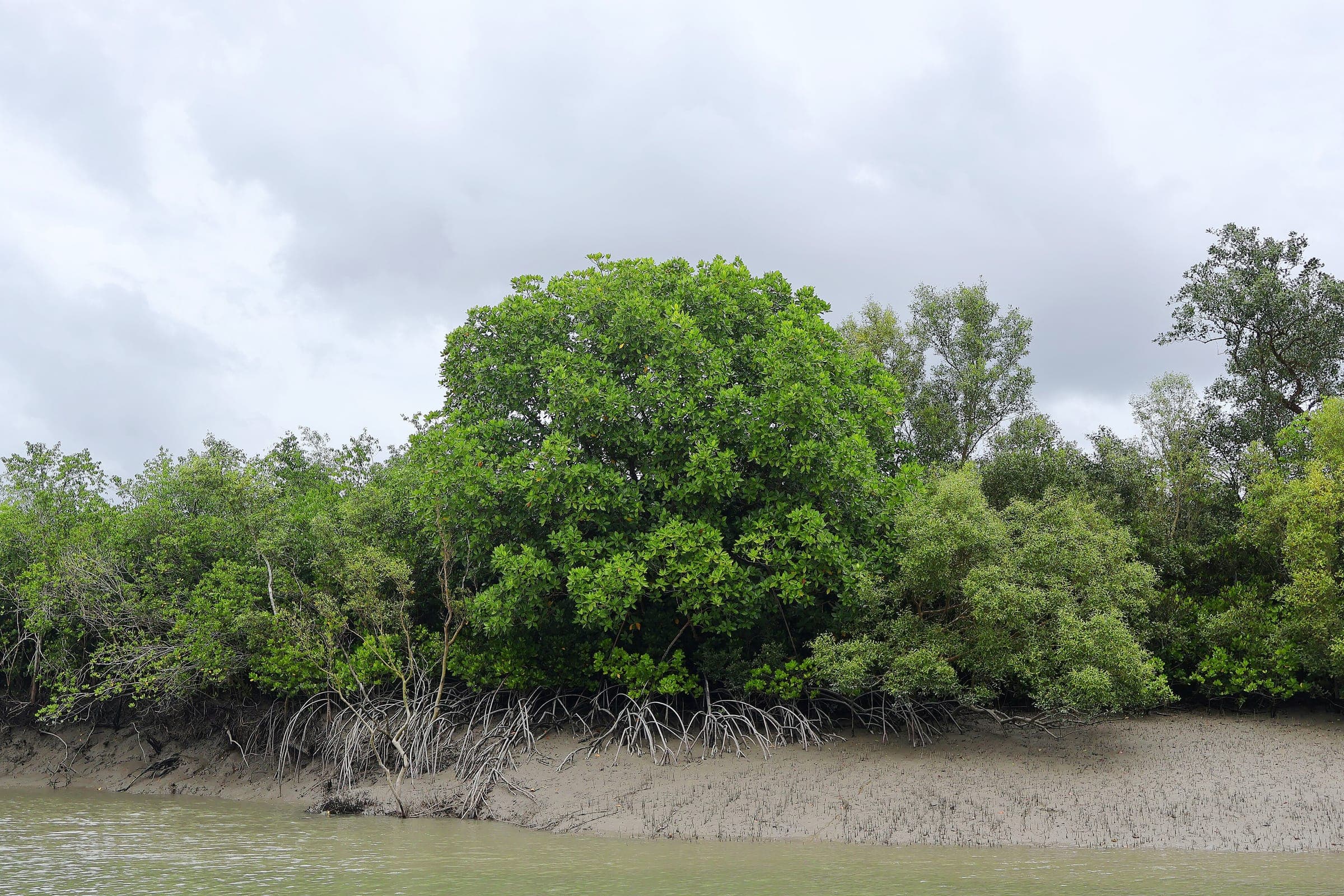
Monsoon rain that soaks into a field recharges the aquifer a family's well depends on. The same water fills the village pond where people bathe, wash and raise fish. It flows into rivers that carry sediment to the mangroves, and the mangroves hold the coast against the cyclones that would otherwise push saltwater back into those ponds and wells.
“When one part of the water system fails, the failure travels. So does the recovery.”
This is why Planet Mama's work is organised as five connected systems (WASH, groundwater, wetlands, mangroves and climate) rather than five separate programmes. A toilet that keeps waste out of the pond protects the wetland. A revived pond recharges the aquifer. A healthy mangrove belt protects the embankment that keeps salt out of both.
What this means in practice
- We design projects by landscape, not by sector, starting with the Sundarbans.
- We measure outcomes across the system, not just outputs within a programme.
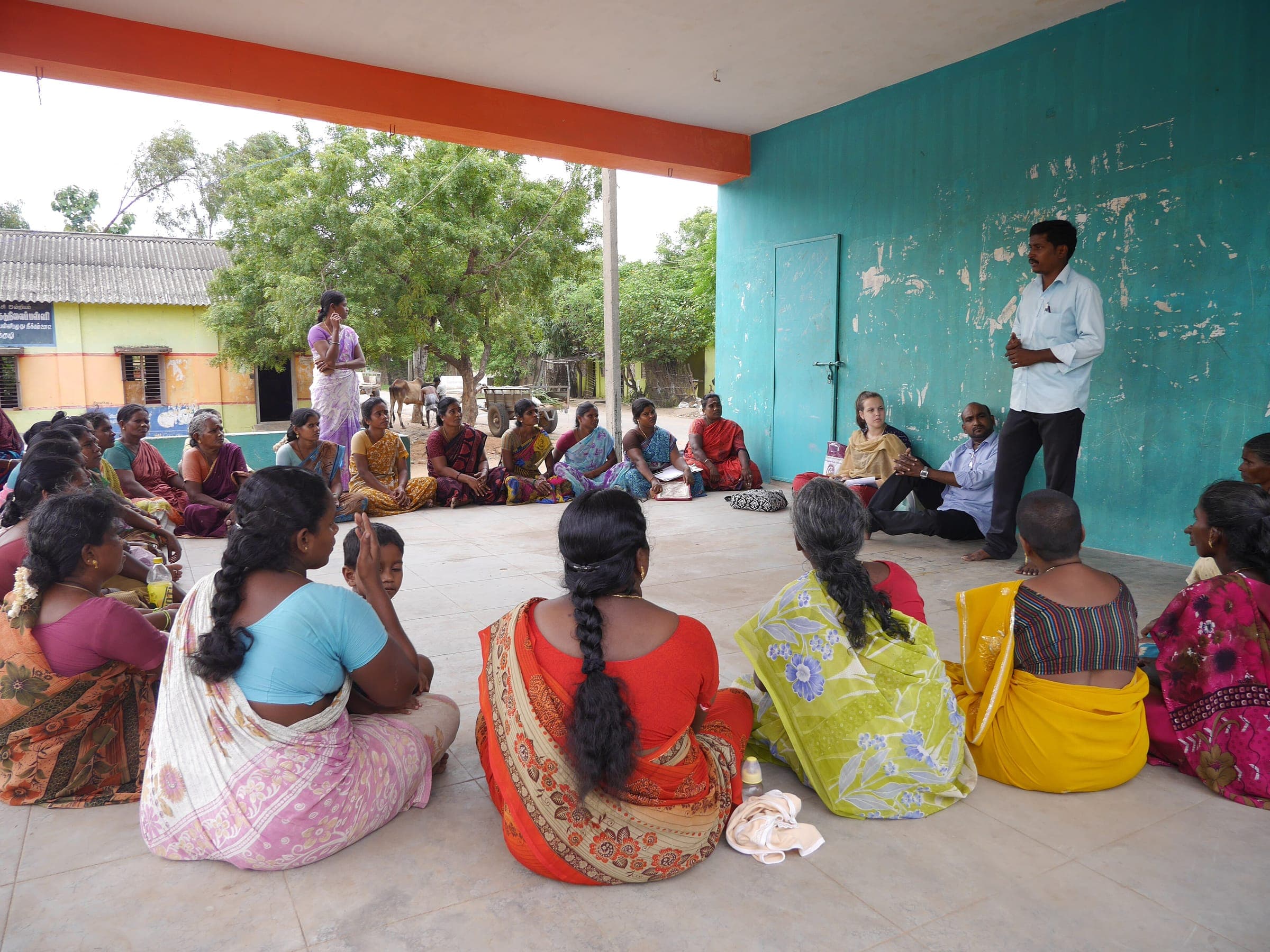
- We put the people who manage water every day at the centre, and in coastal Bengal that is overwhelmingly women.
Restoring water is not a single intervention. It is the patient work of reconnecting a system, and with it the communities and ecosystems that depend on it.