Insights
Estimated is not verified: how we talk about carbon
Carbon finance can fund restoration for decades, but only if every claim is honest about what stage it has reached.
Planet Mama5 min read
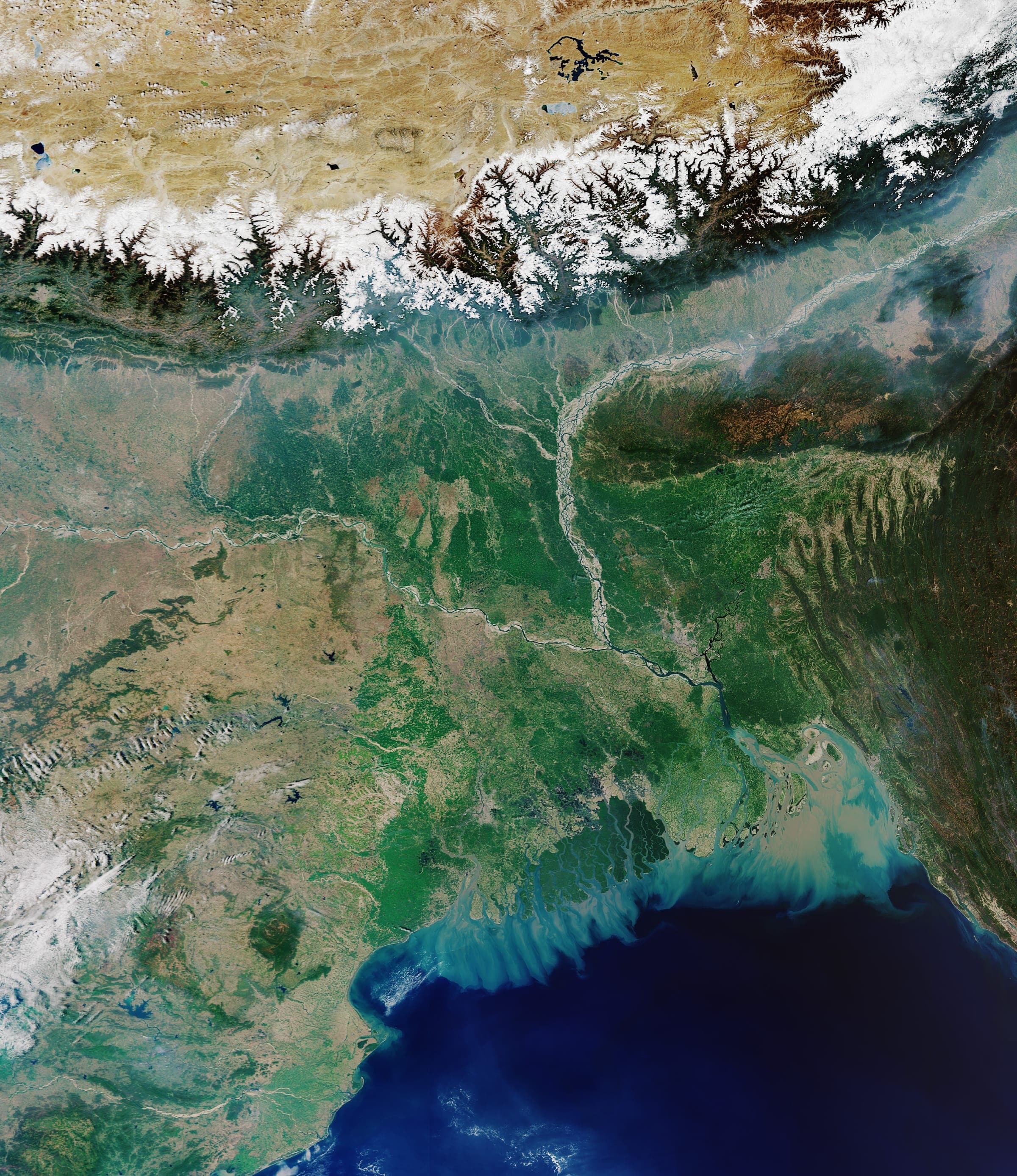 Photo: European Space Agency · Attribution · Wikimedia Commons
Few words in climate have been stretched as far as "carbon". The same tonne can be described as potential, projected, sequestered, avoided, verified or retired, often in one brochure. For the communities who host restoration projects and the buyers who fund them, that ambiguity is corrosive.
Five stages, never merged
Every carbon figure Planet Mama publishes carries one of five labels:
- Estimated: a projection from project design assumptions, such as area, species and growth rates.
- Modelled: a calculation using an approved methodology and site data.
- Monitored: measured in the field and by remote sensing after restoration.
- Verified: checked by an accredited independent verification body.
- Issued: registered as carbon credits by a recognised standard.
An estimate is useful for planning. It is not a credit, and we will never present it as one.
Why mangroves, and why caution
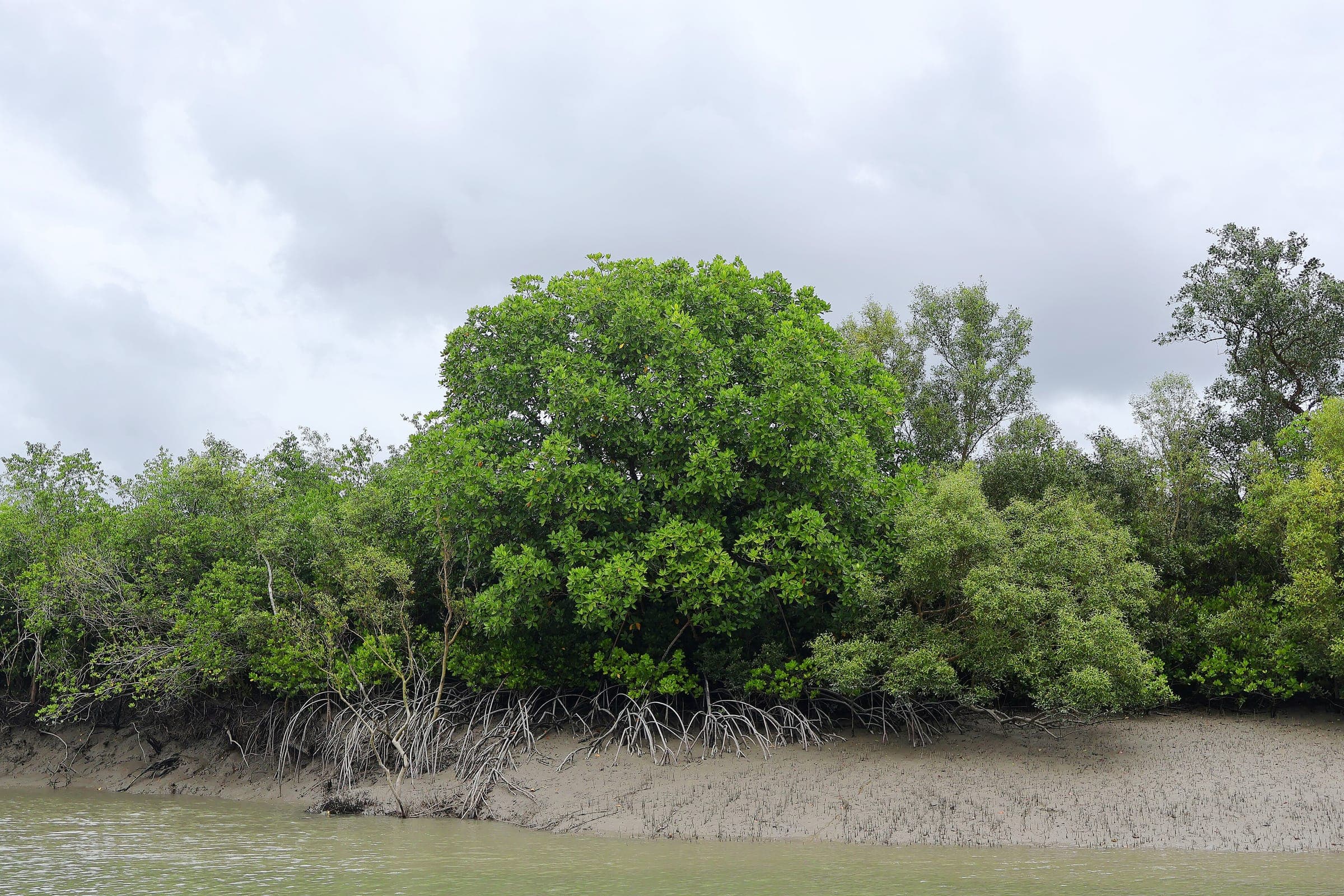
Mangroves are among the most carbon-rich forests in the tropics, with much of that carbon held in deep, waterlogged soils. That makes them extraordinarily valuable to protect and restore, and it is exactly why claims about them must be conservative. Survival, permanence, leakage and additionality all have to be demonstrated, not assumed.
“Restoration first. Carbon follows, and only as far as the evidence goes.”
Our Sundarbans blue carbon work is at the feasibility stage. No credits exist. When that changes, this page and every project page will say so, with the documentation to back it.
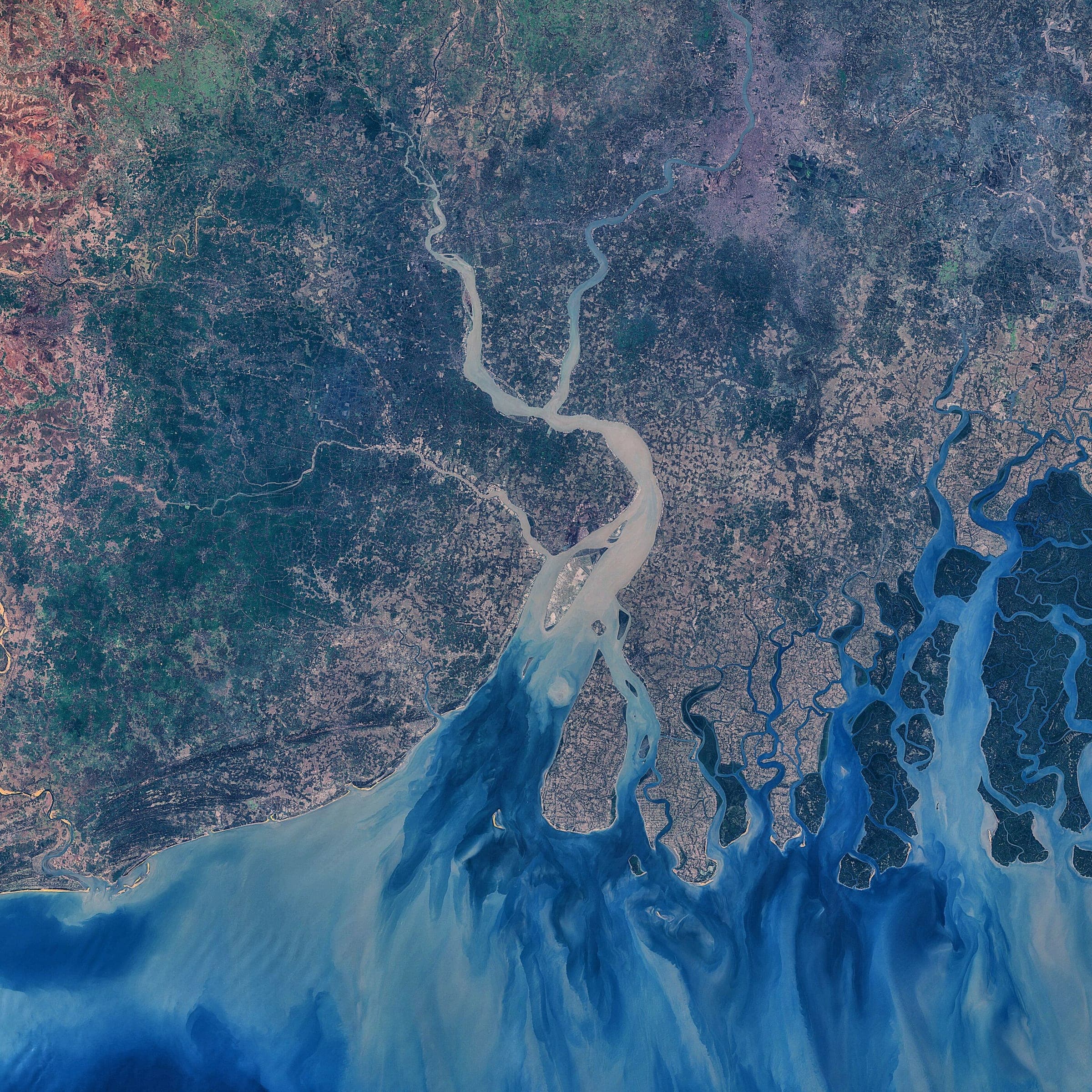
Indian Sundarbans, West Bengal · India
Testing whether restored mangroves can support a high-integrity blue carbon project that funds communities for decades.
Area assessedPending verification
Explore